


Why Thai Food Is Balanced: The Art of Flavor Harmony

Most American diners are surprised to learn that Thai cuisine centers on balance rather than just bold chili heat. With a culinary tradition focused on harmony, Thai chefs orchestrate sweet, salty, sour, spicy, and creamy flavors in every dish. This approach creates a dining experience that’s both complex and deeply satisfying. Thai food’s harmonious blend of five taste elements is a hallmark that sets it apart from Western styles, offering a sensory journey many crave yet few truly understand.
Table of Contents
Key Takeaways
Point | Details |
Balance in Flavors | Thai cuisine emphasizes a harmonious integration of five fundamental taste elements: sweet, sour, salty, spicy, and creamy, ensuring no single flavor dominates. |
Cultural Significance | Thai food reflects cultural heritage and social connections, transforming meals into communal rituals that reinforce companionship and shared experiences. |
Misconceptions | Common misunderstandings include the belief that spiciness is the main focus, while true Thai cooking is about the delicate interplay of balanced flavors. |
Health Benefits | Thai cuisine offers substantial nutritional value and can be easily adapted for various dietary needs without sacrificing flavor, making it a health-conscious choice. |
Defining Balance in Thai Cuisine
Thai cuisine represents a culinary symphony where flavor is not just experienced, but carefully orchestrated. Thai cooking artfully combines fundamental taste profiles into an intricate dance of sensory experiences that sets it apart from many other culinary traditions. Unlike Western cooking that might emphasize one or two dominant flavors, Thai chefs masterfully integrate five fundamental taste elements: sweet, sour, salty, spicy, and creamy.
The concept of balance in Thai cuisine goes far beyond mere ingredient selection. It is a philosophy deeply rooted in understanding how different flavor profiles interact and complement each other. By strategically layering tastes and textures, Thai dishes achieve a harmonious complexity that stimulates multiple sensory receptors simultaneously. Flavor generation is considered a critical component that directly impacts consumer satisfaction, making each bite a carefully crafted experience.
This sophisticated approach to flavor balancing stems from generations of culinary wisdom. Thai chefs recognize that true gastronomic pleasure emerges not from individual ingredients, but from their thoughtful combination. Each dish becomes a carefully composed culinary landscape where no single flavor dominates, but instead, all elements work in perfect harmony. The result is a dining experience that is simultaneously bold, nuanced, and deeply satisfying - a testament to the remarkable depth of Thai culinary tradition.
Flavor Profiles: Sweet, Spicy, Sour, Salty, Bitter
Thai culinary traditions reveal a remarkable approach to flavor complexity through their distinctive five-flavor profile: sweet, spicy, sour, salty, and bitter. Each taste element plays a crucial role in creating the extraordinary depth that characterizes authentic Thai cuisine. Ingredients strategically combine to generate unique flavor networks that stimulate multiple sensory experiences simultaneously.
The sweet profile emerges from ingredients like palm sugar, ripe fruits, and coconut milk, providing a gentle counterpoint to more intense flavors. Spiciness, a hallmark of Thai cooking, comes from an array of chilies that range from mild to fiery hot, adding vibrant energy to dishes. Sourness introduces brightness through lime juice, tamarind, and vinegar, creating a refreshing tang that cuts through richer elements. Saltiness arrives via fish sauce, soy sauce, and fermented shrimp paste, delivering umami depth and enhancing overall flavor complexity.
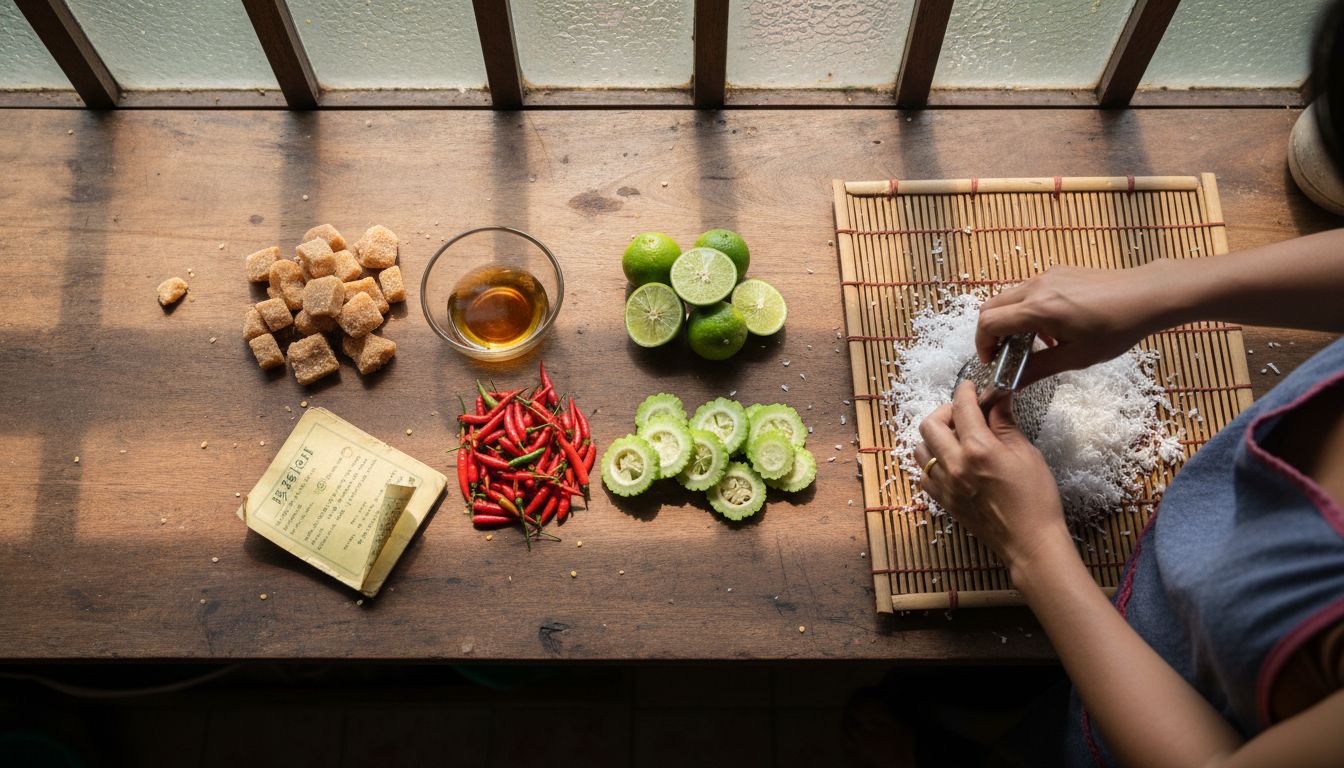
The bitter element, often overlooked in Western cooking, plays a nuanced role in Thai cuisine. Ingredients like bitter melon, certain herbs, and specific spices contribute a subtle counterpoint that prevents dishes from becoming one-dimensional. This intricate balance means no single flavor dominates; instead, they dance together in a harmonious culinary performance. The frequency and combination of ingredients reflect a sophisticated cooking style that transforms simple components into extraordinary gastronomic experiences, making Thai food a true sensory journey.
Cultural Influences Shaping Thai Dishes
Thai cuisine emerges as far more than just a collection of recipes - it is a living narrative of cultural connections, social interactions, and historical exchanges. At its core, Thai food represents a complex tapestry of influences that reflect the nation’s rich cultural heritage, incorporating elements from neighboring countries, indigenous traditions, and historical trade interactions.
Regional diversity plays a critical role in shaping Thai culinary traditions. Green papaya salad, for instance, demonstrates how cultural exchanges transform local cuisines, originating in the Isan region with strong Laotian ethnic influences and eventually becoming a nationwide staple. Different regions contribute unique ingredients, cooking techniques, and flavor profiles that collectively define the dynamic nature of Thai gastronomy.
Thai meals transcend mere sustenance, serving as powerful social bonding experiences. Dining becomes a communal ritual where friends and family gather around shared dishes, reinforcing social connections and cultural traditions. This communal approach to eating reflects deeper societal values of companionship, generosity, and collective harmony. The intricate balance of flavors, textures, and ingredients in each dish tells a story of cultural resilience, adaptation, and the profound human connection that food can create.
Common Misconceptions About Thai Food Balance
Many people misunderstand the complex nature of Thai cuisine, reducing its intricate flavor profile to simplistic assumptions about heat and spiciness. Thai food is not just about overwhelming chili intensity, but a sophisticated dance of balanced flavors that requires nuanced understanding and respect for culinary traditions.
Spiciness misconception represents one of the most prevalent misunderstandings. While chilies are integral to Thai cooking, their role is not to dominate but to enhance and harmonize other flavor elements. Authentic Thai cuisine demands careful ingredient balance, where no single taste overwhelms the others. Many Western interpretations mistakenly believe that more chilies automatically mean more authenticity, when in reality, true Thai cooking seeks a delicate interplay of tastes.
Ingredient substitution poses another significant challenge to maintaining Thai food’s intricate balance. The strategic use of ingredients like fish sauce demonstrates how subtle additions can transform a dish, but careless replacements can completely disrupt the intended flavor profile. Authentic Thai cooking requires understanding that each ingredient plays a specific role - a few drops of fish sauce can elevate a simple soup, while excessive or inappropriate substitutions can render the entire dish unrecognizable. The art of Thai cuisine lies not in rigid adherence to recipes, but in understanding the fundamental principles of flavor harmony.
Health Benefits and Dietary Adaptability
Thai cuisine represents a nutritional powerhouse with remarkable dietary flexibility, offering an impressive range of health benefits and adaptability for diverse dietary needs. The intricate balance of ingredients not only creates extraordinary flavor profiles but also provides substantial nutritional value that supports overall wellness.
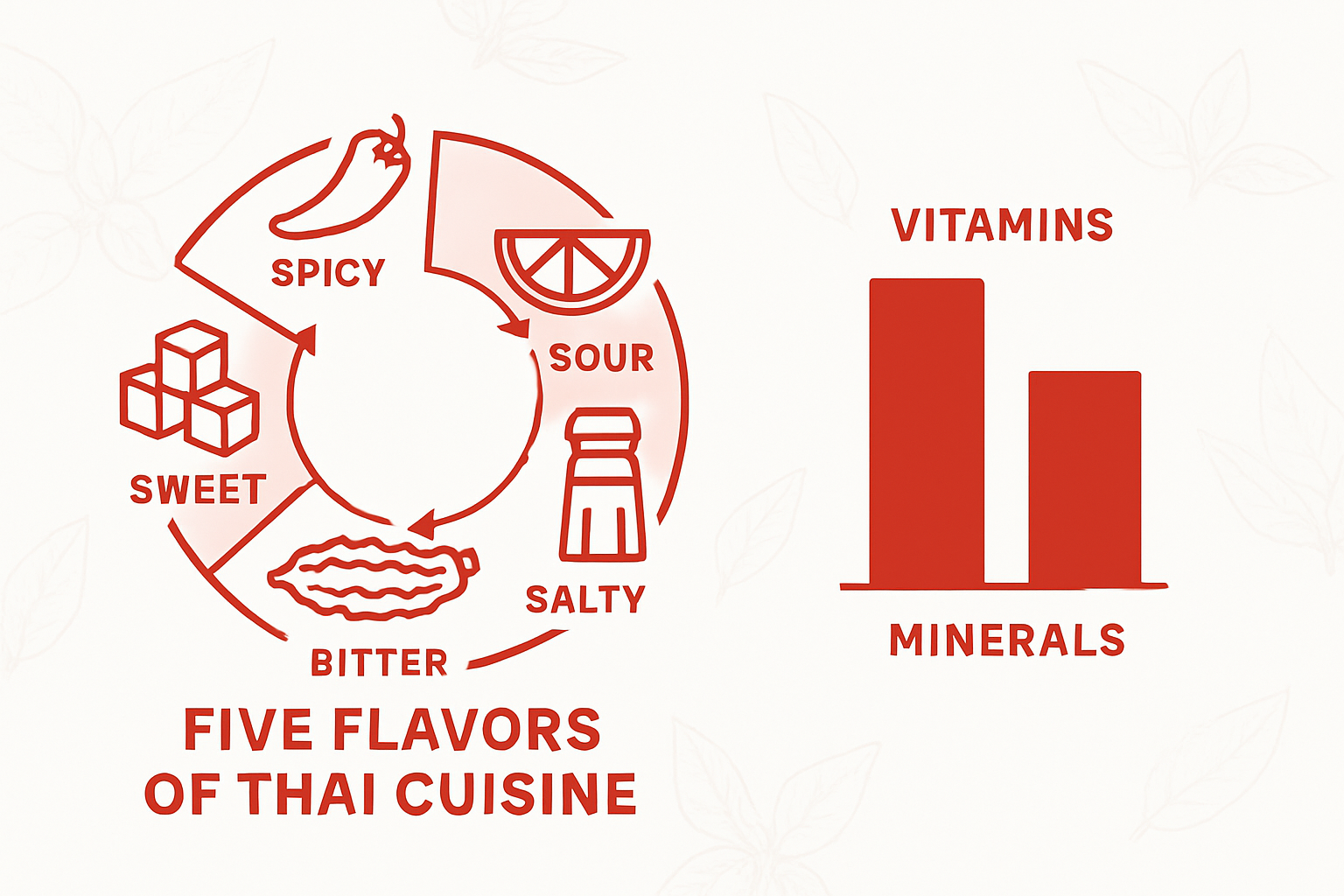
Nutritional composition plays a pivotal role in Thai cuisine’s health potential. Comprehensive nutritional analyses reveal the sophisticated scientific approach behind traditional recipes, demonstrating how each ingredient contributes essential nutrients. Fresh herbs like lemongrass, galangal, and turmeric offer powerful anti-inflammatory properties, while lean proteins and vegetables ensure balanced macronutrient profiles. Moreover, the cuisine’s inherent adaptability allows seamless modifications for vegetarian, vegan, and gluten-free diets without compromising authentic flavor experiences.
The global recognition of Thai cuisine extends beyond mere culinary artistry into a realm of scientific nutritional understanding. Cooking techniques that preserve ingredient integrity, combined with a philosophy of balanced flavor profiles, ensure that health-conscious diners can enjoy meals that are both delicious and nutritionally robust. The strategic use of spices, herbs, and cooking methods transforms simple ingredients into meals that support metabolic health, boost immune function, and provide sustained energy.
Experience the True Harmony of Thai Flavors Today
Discover how the art of balance in Thai cuisine brings together sweet, sour, salty, spicy, and bitter elements for a culinary experience like no other. If you want to savor authentic dishes that reflect this sophisticated harmony, look no further than Thai Spoon Las Vegas. Whether you are seeking classic favorites or vegan and gluten-free options, every plate is carefully crafted to honor the intricate flavor profiles celebrated in Thai cooking traditions.

Ready to enjoy a meal where no single taste overpowers another but all flavors work in perfect harmony Visit Thai Spoon Las Vegas now to explore the menu and order your balanced Thai feast for pickup or delivery. Experience firsthand why true Thai food is more than just spice It is an unforgettable journey of taste that you should not miss.
Frequently Asked Questions
What makes Thai food balanced?
The balance in Thai cuisine comes from the careful integration of five fundamental taste elements: sweet, sour, salty, spicy, and creamy. This orchestration creates a harmonious experience where no single flavor dominates.
How do Thai chefs achieve flavor harmony in their dishes?
Thai chefs achieve flavor harmony by strategically layering ingredients and their respective tastes. They understand how different flavors complement each other, resulting in a complex and satisfying culinary experience.
What are the key flavor profiles in Thai cuisine?
The key flavor profiles in Thai cuisine are sweet, spicy, sour, salty, and bitter. Each profile plays a significant role in contributing to the depth and richness of the dishes, enhancing the overall sensory experience.
Why is spiciness often misunderstood in Thai food?
Spiciness is often misunderstood as the primary focus in Thai food, but it actually serves to enhance and balance other flavors rather than dominate them. Authentic Thai cuisine seeks a delicate interplay of tastes for a well-rounded dish.
Recommended
Comments