


Tradition's role in Thai cooking: authentic flavors
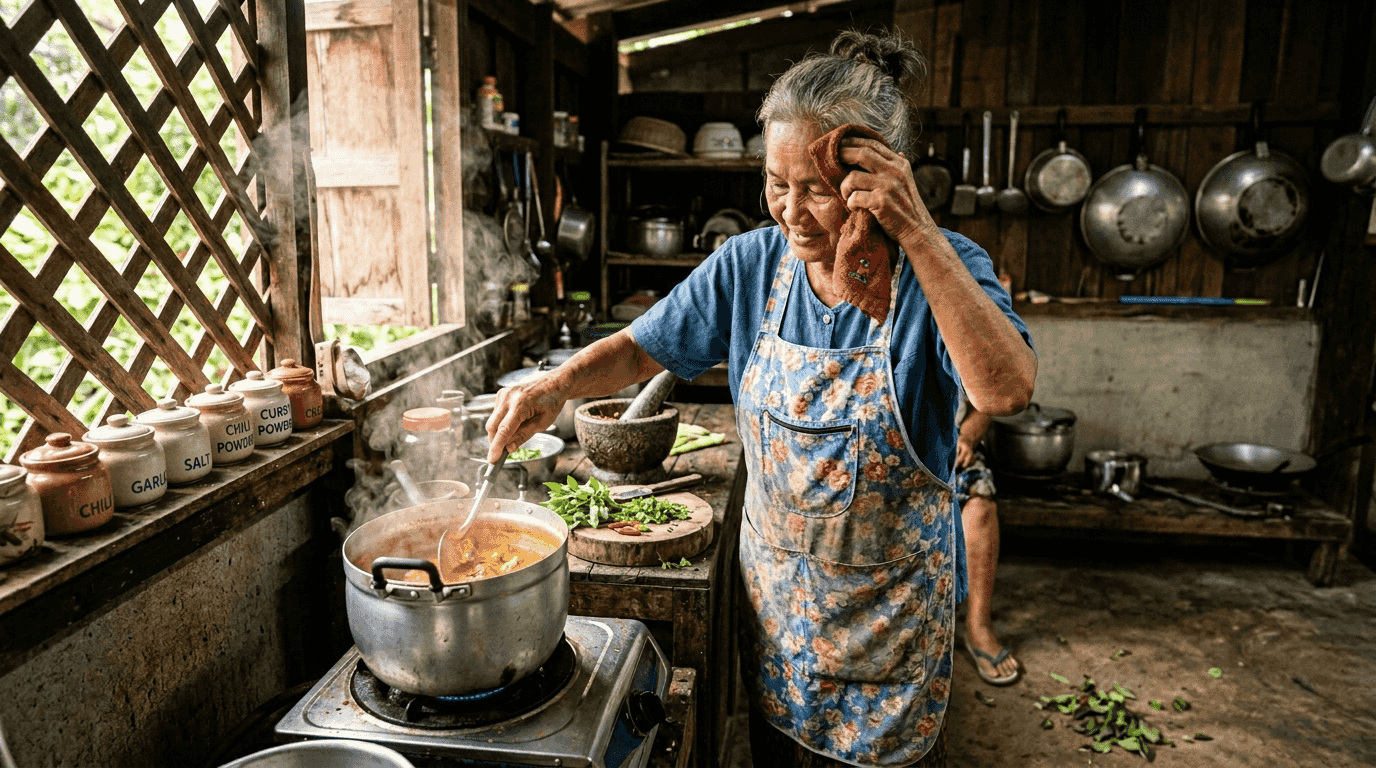
Many people think Thai food is just about heat and spice, but that’s only scratching the surface. The real magic lies in centuries-old traditions that shape every dish, from ingredient selection to cooking methods and dining customs. Understanding these cultural foundations reveals why authentic Thai cuisine offers such a rich, balanced experience that goes far beyond simply adding chili peppers. This exploration uncovers how tradition creates the distinctive flavors and meaningful experiences that define genuine Thai cooking.
Table of Contents
Key takeaways
Point | Details |
Cultural foundation | Tradition anchors Thai cooking’s authentic flavors through balance, harmony, and regional diversity |
Traditional methods | Centuries-old techniques like pounding, steaming, and stir-frying preserve texture and complex flavor profiles |
Social significance | Communal dining customs and meal rituals enhance the cultural experience beyond just eating |
Regional variations | Different Thai regions contribute unique ingredients and cooking styles shaped by local history |
Cultural roots: how tradition shapes Thai cooking
Traditional Thai cooking is deeply influenced by regional histories and cultural beliefs that emphasize balance and harmony. Thailand’s geography created distinct culinary regions, each developing unique flavor profiles based on available ingredients and neighboring cultural influences. Northern regions incorporated Burmese and Chinese elements, while southern areas embraced Malaysian and Indian spices. Central Thailand became the melting pot where royal court cuisine refined these diverse traditions into sophisticated dishes.
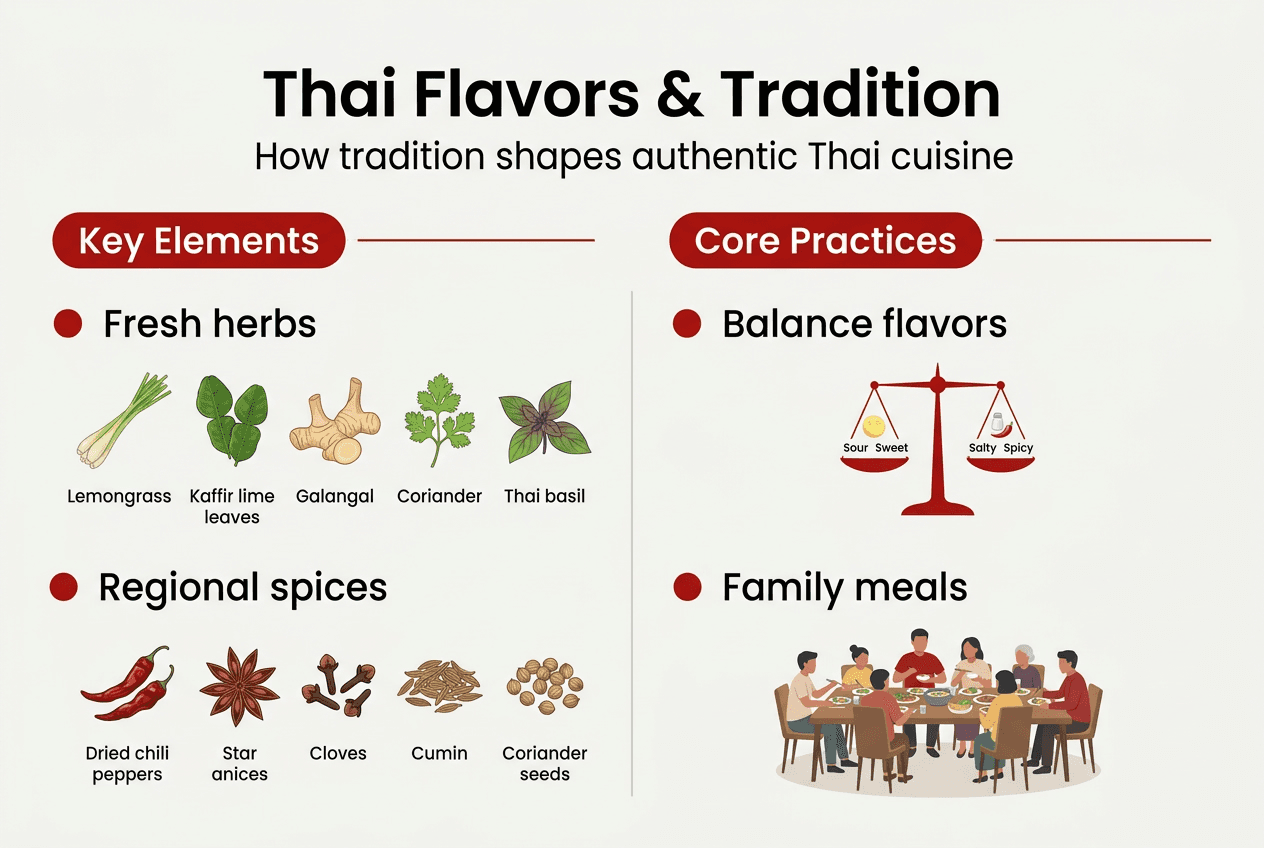
The philosophy of balance sits at the heart of Thai culinary tradition. Every authentic dish aims to harmonize five fundamental tastes: sweet, sour, salty, bitter, and spicy. This isn’t just about flavor, it reflects Buddhist principles of equilibrium and the Thai concept of achieving harmony in all aspects of life. When a cook adjusts lime juice, fish sauce, palm sugar, and chilies, they’re practicing an ancient art form passed down through generations.
Respect and mindfulness permeate traditional Thai cooking practices. Cooks traditionally offer thanks before preparing meals, acknowledging the ingredients and the effort required to bring them to the table. This reverence extends to:
Honoring seasonal ingredients and local harvests
Preserving family recipes through oral tradition and hands-on teaching
Maintaining proper technique even for simple everyday dishes
Showing gratitude for the natural resources that provide sustenance
“Cooking is not just about feeding the body. It nourishes the spirit and connects us to our ancestors and community.”
Religious customs also shape traditional recipes and cooking schedules. Buddhist festivals influence meal timing and ingredient choices, with many families preparing special dishes for temple offerings. Vegetarian traditions during Buddhist Lent demonstrate how spiritual practice directly impacts culinary customs. These intersections between faith, culture, and food create a cooking tradition that serves purposes far beyond simple nutrition, building community bonds and preserving cultural identity across generations.
Traditional ingredients and cooking techniques: authentic Thai flavors
Regional differences contribute unique ingredients and cooking methods essential for authentic Thai cuisine. The foundation of traditional Thai cooking rests on fresh herbs, aromatic spices, and carefully balanced sauces that create complex flavor layers. Essential ingredients include lemongrass, galangal, kaffir lime leaves, Thai basil, cilantro roots, and bird’s eye chilies. Fish sauce, shrimp paste, tamarind, and palm sugar provide the salty, sour, and sweet notes that define authentic dishes.
Different regions favor specific ingredients that reflect their geography and cultural influences:
| Region | Key Ingredients | Flavor Profile | | — | — | | Northern | Turmeric, ginger, dried spices | Mild, earthy, influenced by Burma | | Central | Palm sugar, coconut milk, fresh herbs | Balanced sweet-salty-sour, refined | | Southern | Fresh turmeric, tamarind, shrimp paste | Bold, spicy, sour, seafood-forward | | Northeastern | Sticky rice, fermented fish, lime | Salty, sour, rustic, minimal coconut |
Traditional cooking methods preserve the integrity of these ingredients while building flavor complexity. Stir-frying over extremely high heat sears ingredients quickly, maintaining crisp textures while developing smoky notes. This technique requires precise timing and constant motion, skills traditionally learned through years of practice. Understanding proper heat control and ingredient sequencing separates authentic dishes from pale imitations.
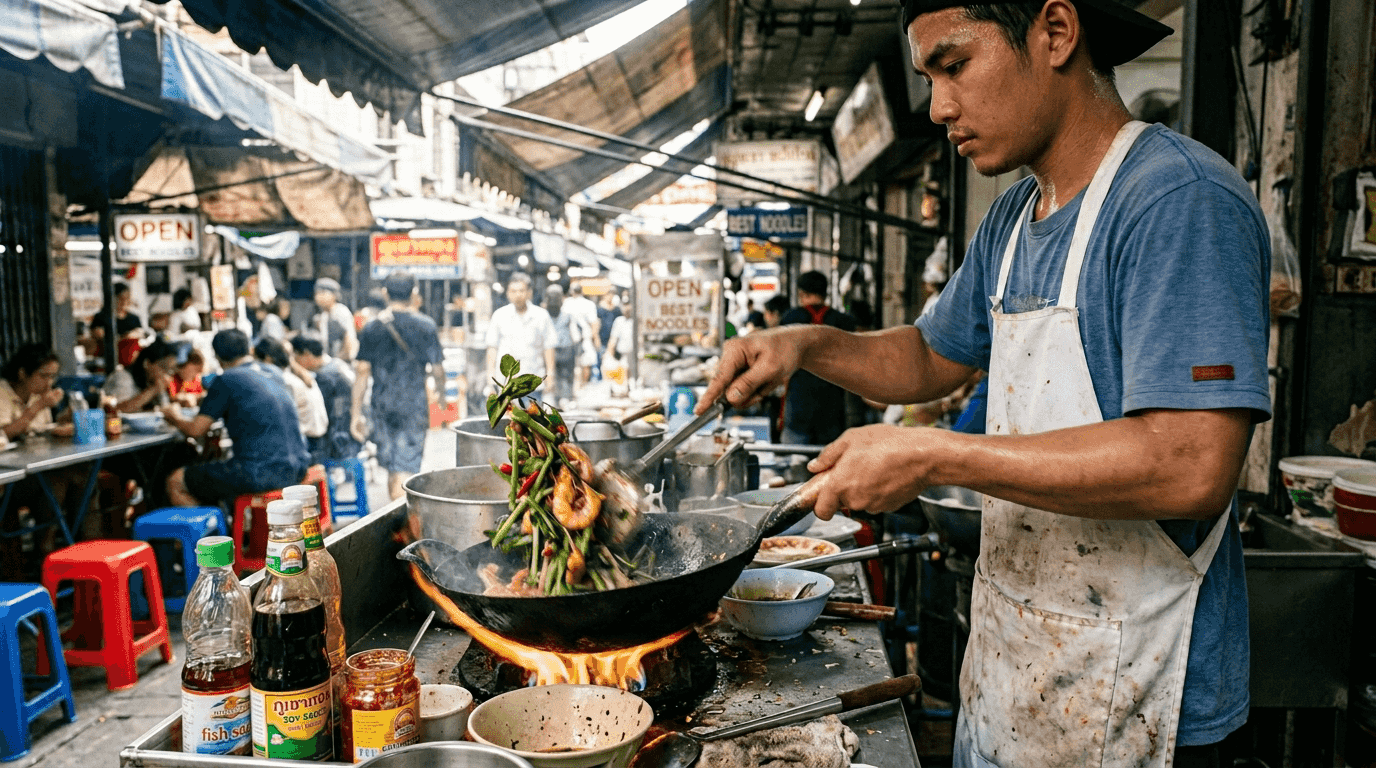
Pounding ingredients in a granite mortar and pestle releases essential oils and creates paste textures impossible to achieve with modern blenders. This labor-intensive method produces curry pastes, chili sauces, and spice blends with superior depth and aroma. The physical act of pounding also breaks down fibers differently than blade cutting, resulting in unique mouthfeel and flavor release during cooking.
Steaming and grilling represent gentler traditional techniques that showcase ingredient quality:
Steaming fish with herbs preserves delicate flavors and moisture
Grilling over charcoal adds smoky complexity to meats and vegetables
Banana leaf wrapping during steaming infuses subtle herbal notes
Open-flame cooking creates charred exteriors while keeping interiors tender
Pro Tip: When preparing authentic Thai dishes at home, invest in a proper granite mortar and pestle. The texture and flavor of hand-pounded curry paste dramatically surpasses anything from a food processor, making the extra effort worthwhile for traditional results.
Dining customs and the social role of traditional Thai meals
Thai meal customs emphasize communal dining, etiquette, and rituals that enhance the culinary experience. Traditional Thai meals are never solitary affairs. Dishes arrive at the table simultaneously for everyone to share, with each person taking small portions from communal plates. This practice reinforces social bonds and ensures diners experience the full range of flavors together, creating shared memories around food.
Traditional etiquette governs how meals unfold. Elders receive food first as a sign of respect, and hosts ensure guests feel welcomed and well-fed. Proper table manners include:
Using a spoon in the right hand and fork in the left to push food onto the spoon
Taking modest portions from shared dishes to ensure everyone gets enough
Avoiding pointing feet toward others or stepping over food
Waiting for the eldest person to begin eating before starting
Expressing appreciation for the meal and the cook’s effort
Balance extends beyond individual dishes to the entire meal composition. A traditional Thai meal includes rice as the centerpiece, surrounded by complementary dishes that provide contrasting flavors and textures. You might find a spicy curry balanced by mild steamed vegetables, a sour soup paired with sweet-savory stir-fry, and crispy fried items alongside soft braised dishes. This variety ensures every bite offers something different while maintaining overall harmony.
Meals play central roles in festivals and cultural celebrations. Songkran, the Thai New Year, features special dishes that symbolize prosperity and good fortune. Loy Krathong celebrations include specific sweets and savory items prepared according to centuries-old recipes. These festival foods connect modern Thais to their ancestors, preserving cultural memory through taste and shared preparation rituals.
Pro Tip: When experiencing traditional Thai dining, resist the urge to fill your plate all at once. Take small amounts, savor them, then return for more. This approach lets you appreciate how different dishes complement each other and shows respect for the communal dining tradition.
Bringing tradition to life: applying Thai cooking culture in Las Vegas
Las Vegas offers surprising opportunities to engage with authentic Thai culinary traditions despite being thousands of miles from Thailand. The city’s diverse food scene includes restaurants committed to preserving traditional cooking methods and ingredient authenticity. Seeking out these establishments lets local food enthusiasts experience genuine Thai culture without international travel.
Identifying truly traditional Thai food requires knowing what to look for:
Menus featuring regional specialties beyond the standard Pad Thai and Green Curry
Fresh herbs and aromatic ingredients visible in dishes
Balance of flavors rather than overwhelming heat
Willingness to adjust spice levels while maintaining authentic seasoning
Family-owned establishments with generational recipes
Las Vegas hosts Thai cultural festivals and events throughout the year, providing immersive experiences beyond restaurant dining. These gatherings often include traditional music, dance performances, and cooking demonstrations that reveal the cultural context surrounding Thai cuisine. Participating in these events deepens appreciation for how food connects to broader Thai identity and values.
Regional Thai dishes showcase the diversity within Thailand’s culinary landscape:
Dish | Region | Key Characteristics |
Khao Soi | Northern | Coconut curry noodle soup with crispy noodles |
Massaman Curry | Central/Southern | Rich, mildly spiced curry with peanuts and potatoes |
Som Tam | Northeastern | Spicy green papaya salad with lime and chilies |
Gaeng Tai Pla | Southern | Intensely flavored curry with fermented fish |
Exploring these regional variations helps you understand how geography, climate, and cultural exchange shaped traditional Thai cooking. Northern dishes reflect cooler mountain climates and Burmese influence. Southern cuisine embraces abundant seafood and bold spicing from Malaysian proximity. Central Thai food represents royal court refinement and balanced flavors. Northeastern cooking showcases rustic, resourceful traditions born from agricultural communities.
Building relationships with local Thai restaurant owners and chefs provides insider knowledge about authentic dishes and preparation methods. Many are eager to share their culinary heritage with genuinely interested customers. Ask about family recipes, traditional techniques, or seasonal specialties not listed on standard menus. This engagement transforms dining from simple consumption into cultural exchange and learning.
Experience authentic Thai traditions at Thai Spoon Las Vegas
After exploring the deep cultural roots and traditional practices that define authentic Thai cooking, you’re ready to experience these flavors firsthand. Thai Spoon Las Vegas brings generations of culinary tradition to the northwest valley, serving dishes that honor Thailand’s regional diversity and time-tested cooking methods. Every plate reflects the balance, harmony, and respect for ingredients that characterize genuine Thai cuisine.
Our menu showcases traditional favorites alongside regional specialties, all prepared using authentic techniques and fresh ingredients. Whether you’re craving the complex flavors of Yellow Curry or the perfect balance of Pad Thai, each dish demonstrates our commitment to preserving Thai culinary heritage. For gatherings and special events, our catering services bring traditional Thai dining experiences to your celebrations, creating memorable meals that honor communal eating customs. Discover our full range of offerings and taste the difference that tradition makes.
Frequently asked questions
What is the role of tradition in Thai cooking?
Tradition provides the framework for authentic Thai cooking by establishing principles of flavor balance, ingredient selection, and cooking techniques passed down through generations. These time-tested practices ensure dishes maintain their cultural identity and complex flavor profiles. Traditional methods like hand-pounding curry pastes and balancing five fundamental tastes create results that modern shortcuts cannot replicate.
How do regional traditions influence Thai cuisine?
Thailand’s four main regions developed distinct culinary traditions based on geography, climate, and neighboring cultural influences. Northern cuisine incorporates Burmese and Chinese elements with milder spicing, while southern cooking embraces bold flavors and abundant seafood influenced by Malaysian traditions. Central Thailand refined royal court cuisine with balanced, sophisticated flavors, and northeastern regions created rustic dishes using fermented ingredients and sticky rice. These regional differences produce remarkably diverse dishes while maintaining core Thai principles of balance and harmony.
What are common traditional Thai cooking techniques?
Traditional Thai cooking employs several specialized techniques that preserve ingredient integrity while building flavor complexity. Stir-frying over intense heat sears ingredients quickly, maintaining crisp textures and developing smoky notes. Pounding ingredients in granite mortars releases essential oils and creates superior paste textures compared to mechanical processing. Steaming with banana leaves and grilling over charcoal add subtle aromatic dimensions impossible to achieve with modern appliances. Mastering these techniques separates authentic Thai cooking from simplified adaptations.
Why is balance so important in traditional Thai cooking?
Balance reflects Buddhist philosophical principles and the Thai cultural emphasis on harmony in all life aspects. Every authentic dish aims to harmonize sweet, sour, salty, bitter, and spicy elements rather than letting one flavor dominate. This approach creates complex, satisfying dishes that engage the palate without overwhelming it. The practice of balancing flavors also demonstrates respect for ingredients and the cooking tradition itself.
How can I experience authentic Thai dining traditions in Las Vegas?
Seek restaurants that emphasize traditional preparation methods, regional specialties, and family recipes rather than westernized adaptations. Understanding traditional meal customs like communal sharing and proper etiquette enhances your dining experience. Visit establishments like Thai Spoon Las Vegas that commit to authentic techniques and fresh ingredients, and don’t hesitate to ask staff about traditional dishes or preparation methods. Attending Thai cultural festivals in Las Vegas also provides immersive experiences beyond restaurant dining. Exploring authentic menus reveals the depth and diversity of traditional Thai cuisine available locally.
Recommended
Comments