


Thai Appetizers Explained: Flavors, Traditions, and Choices
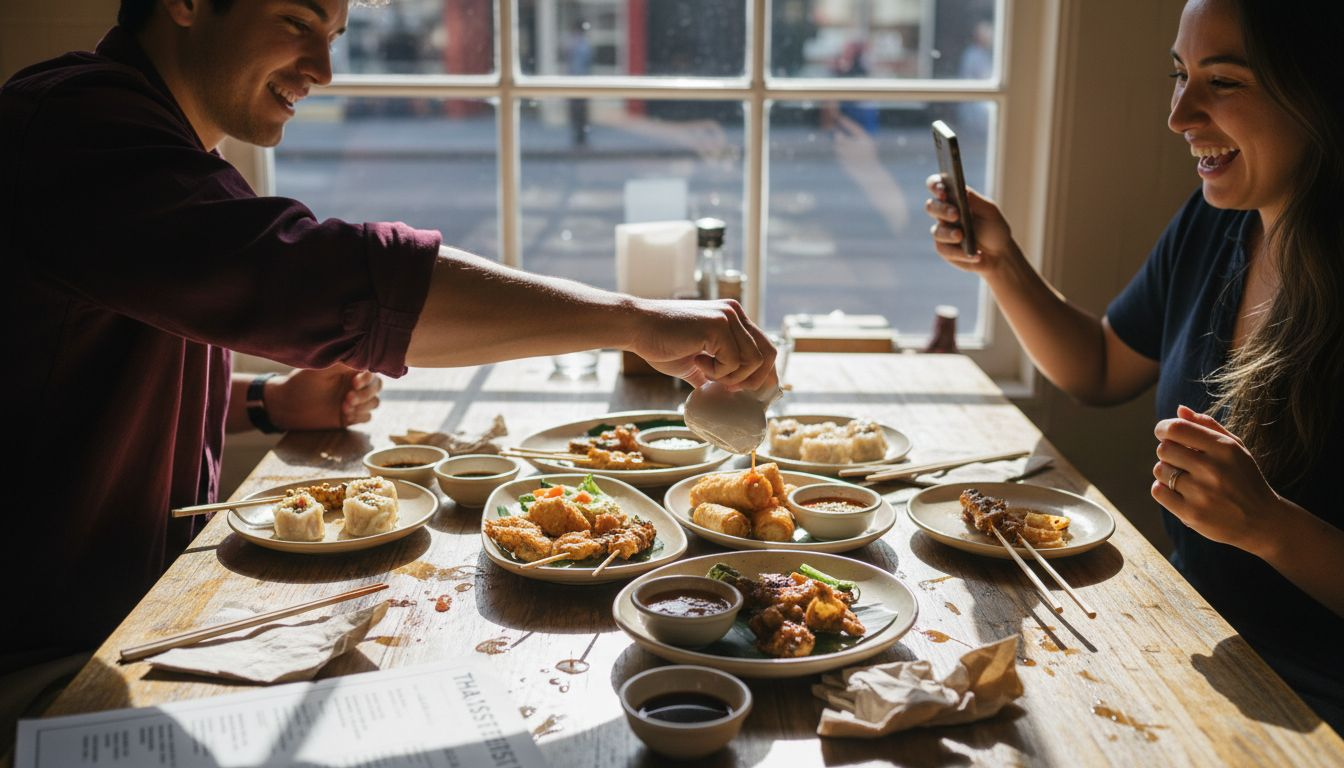
Every Las Vegas family knows the thrill of discovering new flavors right at their own table. Thai appetizers invite you to share and sample, bringing a vibrant mix of sweet, sour, salty, bitter, and spicy notes that are perfect for every palate. With the convenience of takeout and delivery options, you can enjoy the authentic experience of balance and harmony of the five fundamental flavors without leaving Northwest Las Vegas. Explore unique ingredients and communal dishes that turn any meal into a memorable occasion.
Table of Contents
Key Takeaways
Point | Details |
Communal Dining Experience | Thai appetizers are meant to be shared, enhancing the dining experience with variety and interaction. |
Balance of Flavors | A successful Thai appetizer hits multiple taste notes, combining sweet, sour, salty, spicy, and bitter elements. |
Diverse Preparation Techniques | Various cooking methods such as frying, steaming, and stir-frying affect texture and flavor, improving the overall eating experience. |
Mindful Ordering | Choose a variety of appetizers, including fried, fresh, and protein-based options to enjoy a broader taste spectrum and prepare your palate for the main course. |
Defining Thai Appetizers and Signature Elements
Thai appetizers are small plates designed to awaken your palate before the main course arrives. They’re meant to be shared, sampled, and enjoyed with others—this communal approach reflects how Thais actually eat. Unlike many Western appetizers that simply fill you up, Thai starters set the stage for what’s coming next.
What makes Thai appetizers truly distinctive is how they balance flavors. Thai cuisine emphasizes balance and harmony of the five fundamental flavors—sweet, sour, salty, bitter, and spicy. This isn’t accidental; it’s the foundation of every dish Thai chefs prepare.
The Signature Flavor Profile
You’ll notice Thai appetizers hit multiple taste notes in a single bite. A spring roll might be crispy and slightly sweet, then finish with a tangy dipping sauce. That contrast is intentional and deliberate.
Fresh herbs are the heart of Thai appetizer flavors:
Lemongrass provides citrus brightness and aromatic depth
Thai basil adds peppery, licorice-like complexity
Kaffir lime leaves deliver intense lime flavor without the juice
Cilantro contributes fresh, slightly herbaceous notes
Thai chilies bring heat that builds gradually
Fresh herbs and aromatic spices define Thai appetizers, not heavy creams or butter like you might find in other cuisines.
These ingredients work together to create layers of flavor that develop as you eat. The first bite tastes different from the last, which keeps things interesting.
Essential Sauces and Condiments
Essential Thai sauces like fish sauce and tamarind paste are non-negotiable. Fish sauce might sound intimidating, but it’s what makes Thai food taste like Thai food—it adds umami depth that brings everything together.
Common accompaniments you’ll encounter:
Fish sauce serves as the salty backbone of most dishes
Tamarind paste provides sour, slightly fruity tartness
Thai chili paste combines spice with depth and umami
Coconut cream adds richness when needed
Dipping sauces matter just as much as the appetizers themselves. A light peanut sauce complements fried items, while a spicy tamarind dip works beautifully with vegetables.
Cooking Techniques That Matter
How Thai appetizers are prepared impacts their texture and flavor. The primary techniques include stir-frying for speed and high heat, steaming for delicate items, and deep-frying for that satisfying crunch.
Each method serves a purpose. Deep-frying creates contrast—crispy outside, tender inside. Steaming preserves delicate flavors in items like dumplings. Stir-frying keeps ingredients vibrant and slightly al dente.
What Sets Them Apart Locally
When you order Thai appetizers from Thai Spoon Las Vegas, you’re getting dishes grounded in actual Thai culinary traditions. This isn’t fusion or Americanized versions; it’s how these starters are actually eaten in Thailand. The difference shows up immediately on your plate.
Pro tip: Order a variety of appetizers to experience the full range of Thai flavors—one fried item, one fresh item, and one with prominent herbs creates the most interesting tasting experience for your group.
Popular Types of Thai Appetizers Explained
Thai appetizers come in many forms, each with its own personality and purpose. Understanding what’s available helps you make better choices when ordering, whether you’re dining in or getting takeout from Thai Spoon Las Vegas.
Fried and Crispy Appetizers
Fried appetizers deliver immediate satisfaction through texture contrast. These are what many people order first because they’re universally appealing and pair well with dipping sauces.
Common fried options include:
Spring rolls with pork, shrimp, or vegetables inside a crispy wrapper
Crispy wonton cups filled with seasoned ground meat
Thai fried chicken marinated with herbs and spices
Fried shrimp coated lightly and served with sweet chili sauce
The magic happens when you dip these into a tangy or spicy sauce. The hot-cold, crispy-smooth contrast creates layers of experience in every bite.
Fresh and Raw Appetizers
If you want something lighter, fresh appetizers offer bright, herbaceous flavors without the heaviness. Thai appetizers featuring fresh ingredients showcase raw vegetables, herbs, and proteins prepared simply to let flavors shine.
Som Tam (green papaya salad) is the most famous example. It’s tangy, spicy, and crunchy all at once, with lime juice and chilies providing backbone flavors that wake up your taste buds immediately.
Other fresh starters you’ll encounter:
Larb served cold with fresh mint and cilantro
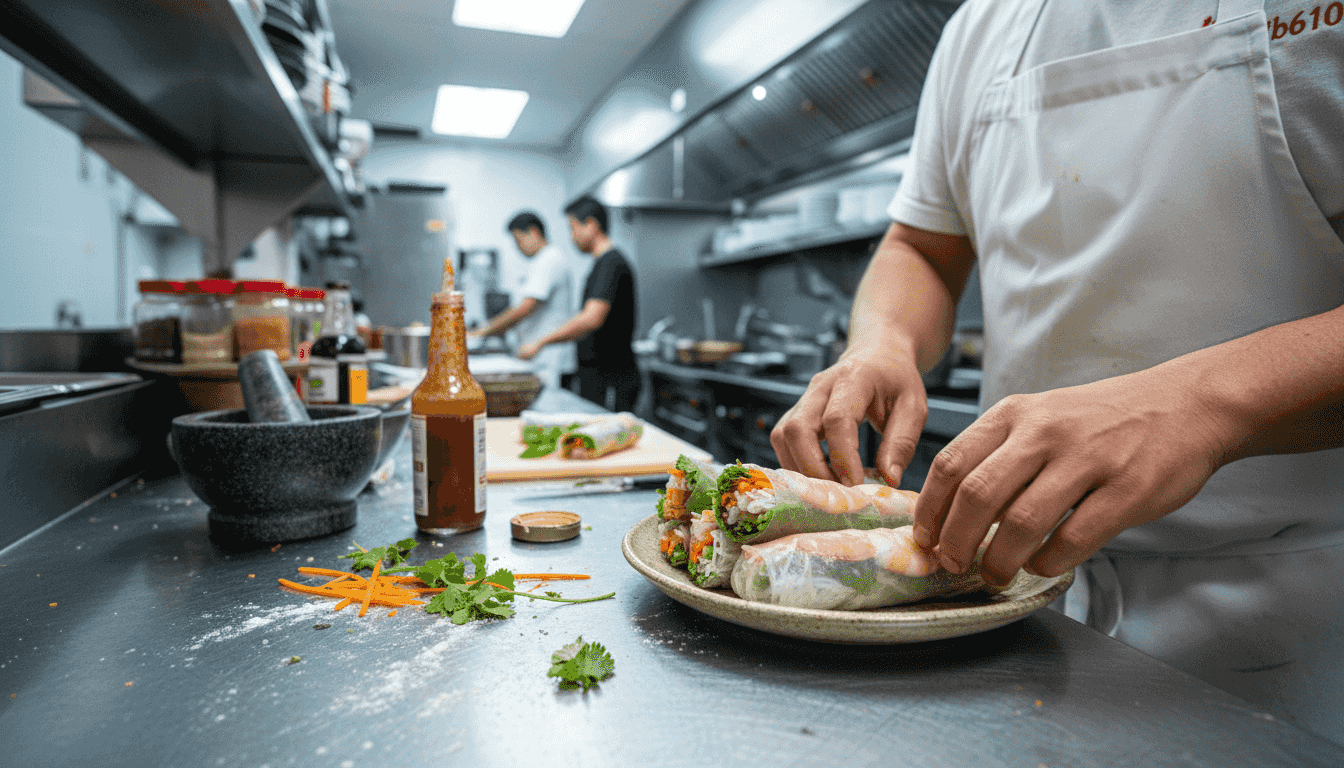
Fresh spring rolls with rice paper wrapping and dipping sauce
Cucumber salad with shallots, cilantro, and chili
Fresh appetizers balance sour and spicy notes, making them ideal when you want bold flavors without fried foods.
These work beautifully as part of a mixed appetizer order because they provide contrast to heavier items.
Protein-Forward Appetizers
Satay deserves its own category because it’s iconic and satisfying. Thai chicken satay features grilled meat skewers served with peanut sauce that hits sweet, salty, and spicy notes simultaneously.
Other protein-focused starters:
Shrimp appetizers marinated with garlic and spices, then grilled or fried
Pork belly bites often glazed with sweet and savory sauces
Fish cakes made with curry paste and served with sweet chili sauce
Grilled chicken seasoned with lemongrass and served with sticky rice
These appetizers work as standalone items or combine several into a mixed platter for sharing.
Soup-Based and Comfort Appetizers
Tom Yum and Tom Kha soups are often ordered as appetizers in Thailand. They’re warming, aromatic, and prepare your palate for what comes next without filling you completely.
Rice and noodle-based snacks also appear on appetizer menus—things like crispy fried rice cakes with dipping sauce or rice noodle dishes seasoned with herbs and proteins.
Here’s how popular Thai appetizer types compare on flavor, texture, and dining role:
Appetizer Type | Signature Flavors | Main Texture | Best Use |
Fried & Crispy | Savory, slightly sweet | Crunchy exterior | Satisfies, pairs with sauces |
Fresh & Raw | Tangy, herbal, spicy | Crisp, refreshing | Cleanses palate, adds contrast |
Protein-Forward | Umami, smoky, sweet | Tender, sometimes char | Adds substance to platter |
Soup-Based & Comfort | Sour, spicy, aromatic | Brothy, warming | Prepares palate for main courses |
Making Your Selection
When ordering at Thai Spoon Las Vegas, consider ordering one item from each category: one fried, one fresh, and one protein-focused. This combination gives you the full Thai appetizer experience without overloading.
Pro tip: Order appetizers family-style and share with others—this is how Thais eat them, and you’ll taste more variety in a single meal than ordering individual plates.
Unique Flavors and Presentation Styles
Thai appetizers aren’t just about taste—they’re a complete sensory experience. The way a dish looks matters just as much as how it tastes, and Thai chefs understand this perfectly. When your appetizers arrive, you’re seeing the result of careful planning around color, texture, and visual appeal.
The Five-Flavor Balance in Action
Every Thai appetizer attempts to hit that perfect five-flavor balance: sweet, sour, salty, spicy, and bitter. You rarely taste all five equally, but skilled preparation ensures they work together harmoniously. One bite might emphasize sour and spicy, while another balances sweet and salty—this complexity keeps your palate engaged.
How the flavors combine:
Lime juice provides sourness and brightness
Fish sauce delivers umami saltiness that anchors the dish
Thai chilies bring building heat that develops over time
Palm sugar adds subtle sweetness without cloying
Herbs like basil contribute slight bitter notes that round everything out
The magic happens when these flavors don’t announce themselves individually but blend into something greater than the sum of parts.
This is why a single appetizer can taste different with each bite—your palate adjusts, and different flavor notes emerge.
Aromatic Herbs Creating Sensory Depth
Aromatic herbs such as galangal and lemongrass form the backbone of Thai appetizer flavors. These aren’t decorative—they’re essential to how the dish tastes and smells.
Key aromatic players:
Lemongrass creates citrus brightness and floral notes
Galangal adds peppery, pine-like complexity
Thai basil brings anise-like warmth and slight pepperiness
Kaffir lime leaves deliver intense lime essence
Cilantro rounds out flavors with freshness
When you smell your appetizer, you’re experiencing roughly 80% of what you’ll taste. Fresh herb aromas prepare your mouth for what’s coming.
Visual Presentation That Captures Attention
Thai appetizers feature bold presentations that stimulate both the palate and the eyes, using colorful ingredients strategically. A plate of satay gains visual interest from crushed peanuts, bright red sauce, and fresh lime wedges arranged deliberately.
Common presentation elements:
Colorful vegetables like cucumber slices, carrots, and red chilies
Fresh herbs scattered across the plate for color and aroma
Contrasting textures (crispy, creamy, soft) visible in single bites
Bright garnishes like crushed peanuts, sesame seeds, or fried shallots
Strategic color blocking that makes the plate visually organized
When appetizers arrive at Thai Spoon Las Vegas, notice how they’re arranged. That arrangement isn’t accidental—it guides how you should eat the dish and ensures you get all the flavors and textures together.
Communal Eating and Shared Experience
Thai presentation often embraces communal eating, with dishes served simultaneously to allow mixing and matching of flavors. This is why family-style appetizer orders work beautifully—you’re meant to sample different items together.
The shared platter approach creates conversation around food. You try something, react to the flavors, then reach for another item. Diners experience a complex and harmonious culinary journey together rather than in isolation.
Pro tip: When ordering appetizers for delivery or pickup, request they be plated separately if you’re sharing with others—this preserves the visual appeal and lets everyone see what they’re eating before it all mixes together.
Choosing the Best Thai Starters for Your Meal
Picking the right Thai appetizers matters more than you might think. The appetizers you choose set the tone for your entire meal, so understanding what works together is key. Northwest Las Vegas families often struggle with menu decisions, but a few simple principles make selection much easier.
Consider Your Overall Meal Plan
Think about what’s coming after the appetizers. If you’re ordering a spicy curry as your main course, you probably want a milder or cooling appetizer instead of a fiery one. This prevents your palate from becoming overwhelmed and keeps each course enjoyable.
Common pairing strategies:
Spicy main course + mild soup appetizer (like Tom Kha)
Rich main course + light fresh appetizer (like spring rolls)
Mild main course + bold spicy appetizer (like papaya salad)
Heavy curry main + crispy textured appetizer for contrast
When selecting the best Thai starters, balance flavors and dietary preferences against your planned main dish. This prevents flavor fatigue and keeps your meal interesting from start to finish.
First-Timer Friendly Choices
If you’re new to Thai food, start with familiar-sounding appetizers that won’t shock your palate. Tom Yum soup and spring rolls offer a gentle introduction to Thai flavors without overwhelming heat or unfamiliar ingredients.
Beginner picks include:
Spring rolls (fried or fresh) with peanut sauce
Tom Yum or Tom Kha soup in small portions
Satay with mild peanut sauce
Fried wonton cups with sweet and salty dipping sauce
These items taste recognizable but still deliver authentic Thai flavor. Once you’re comfortable, explore bolder options like Som Tam or fish cakes.
Variety and Texture Matters
Order several small starters rather than one large appetizer. Thai diners prefer ordering several small starters to share, which encourages communal eating and lets you sample multiple dishes before your main course arrives.
A balanced appetizer trio includes:
One fried item for crispy texture and richness
One fresh item for brightness and crunch
One soup or protein-forward item for warmth and depth
Variety in your appetizer selection prevents boredom and ensures you experience Thai cuisine’s full flavor spectrum in a single meal.
This approach works perfectly for takeout and delivery orders—everything arrives at the same time, so you can sample what you want without overthinking.
Dietary Considerations
Thai Spoon Las Vegas offers vegetarian and vegan appetizer options. Spring rolls, vegetable satay, papaya salad, and vegetable soups are naturally plant-based or easily modified.
If you have dietary needs:
Ask about gluten-free sauces and preparation methods
Request no fish sauce for vegan options
Ask for peanut-free preparations if you have allergies
Specify spice level—Thai hot doesn’t mean it must be unenjoyable
Quality Thai restaurants accommodate dietary requests without sacrificing flavor. When ordering online, add special instructions in the notes section.
Freshness and Ingredient Quality
The best appetizers use fresh herbs, quality proteins, and aromatic spices. When you order from Thai Spoon Las Vegas, you’re getting ingredients prepared daily, not frozen items reheated.
This freshness shows up immediately in taste and aroma. A fresh spring roll tastes crisp and bright, while a stale one feels limp and disappointing.
Pro tip: Order appetizers during lunch hours when they’re made fresh for the day—your takeout or delivery will taste noticeably better than items made hours earlier during dinner rush.
Below is a quick reference for customizing your Thai appetizers for dietary and freshness preferences:
Consideration | What to Request | Why It Matters |
Vegetarian/Vegan | No fish sauce, tofu options | Maintains flavor without animal |
Gluten-Free | Gluten-free sauce, rice wraps | Avoids wheat-based ingredients |
Spice Level | Specify mild to hot | Ensures comfortable heat |
Delivery Freshness | Sauces on side, separate packing | Preserves texture and presentation |
Common Pitfalls When Ordering Thai Appetizers
Ordering Thai appetizers seems straightforward until you make a mistake that ruins your meal. Most pitfalls come from misunderstandings about portion sizes, heat levels, and preparation methods. Knowing what to avoid helps you order confidently, whether you’re picking up from Thai Spoon Las Vegas or getting delivery.
Overestimating How Much You Need
Many first-time Thai appetizer orderers make the same mistake: they order way too much. Thai appetizers are rich, flavorful, and designed to stimulate your appetite, not fill your stomach completely.
Common portion mistakes include:
Ordering one appetizer per person instead of sharing
Choosing multiple fried items when variety matters more
Requesting large portions without considering what comes next
Not accounting for the fact that Thai food is more filling than American food
A single spring roll or satay skewer is satisfying because it’s packed with flavor. You don’t need massive quantities to feel satisfied before your main course arrives.
Underestimating Spice Heat
Thai spice isn’t just about peppers—it builds gradually and compounds throughout your meal. What seems mild at first intensifies as you eat, especially if you’re ordering multiple spicy items.
Spice-level pitfalls:
Ordering “Thai hot” without knowing what that means locally
Choosing multiple spicy appetizers simultaneously
Not mentioning your spice tolerance when ordering online
Assuming “mild” tastes like American mild (it doesn’t)
When ordering Thai appetizers via delivery, miscommunication about spice levels and preferences can affect your experience significantly. Always communicate clearly with whoever takes your order.
Choosing Only Fried Items
Fried appetizers are delicious, but ordering exclusively fried options overwhelms your palate before the main course. You miss the full Thai experience and end up feeling overstuffed.
Why fried-only is problematic:
Richness accumulates across multiple fried items
Palate fatigue sets in faster with repetitive textures
Oil heaviness makes you feel full too quickly
Less flavor variety than mixing fried and fresh items
The best approach balances fried, fresh, and soup-based options. This prevents monotony and keeps your appetite ready for the main course.
Ignoring Preparation Methods
Common pitfalls include choosing dishes that are overly fried without understanding how they’re prepared. Some appetizers can be adjusted—asking for items steamed instead of fried, or requesting sauces on the side makes a real difference.
Things you can request:
Sauce on the side for controlling flavor and richness
Steaming instead of frying for lighter options
Reduced oil in preparation
Extra vegetables to bulk up lighter items
Most Thai restaurants accommodate these requests without fuss—just ask clearly when you order.
When ordering online, add special requests in the notes section. Staff at Thai Spoon Las Vegas read these carefully.
Delivery Freshness Concerns
Delivery changes how appetizers taste. Items that arrive crispy fresh become slightly soft, and presentation gets disrupted. Timing matters—if your order sits for 45 minutes, it won’t taste the same as eating immediately.
Minimize delivery impact:
Order soups and fresh items instead of fried when using delivery
Request items be packed separately to preserve quality
Place orders during slower hours for faster delivery
Order from locations close enough for quick delivery
Takeout from Thai Spoon Las Vegas (in northwest Las Vegas) works better than delivery for appetizers because you get fresher items faster.
Pro tip: Call ahead to confirm your order and ask about current wait times, then time your pickup for 15-20 minutes after placing the order—this ensures your appetizers arrive at peak freshness and temperature.
Experience Authentic Thai Appetizers Made Just for You
Understanding the rich flavors and traditional choices of Thai appetizers is just the first step to a truly memorable meal. If you have ever struggled to find fresh, balanced starters that capture the perfect harmony of sweet, sour, salty, bitter, and spicy, Thai Spoon Las Vegas is here to solve that. We bring to your table the genuine taste of Thailand using fresh herbs and authentic cooking techniques so you can enjoy appetizers as they are meant to be—full of vibrant flavors, perfect textures, and beautifully presented.
Ready to explore a variety of appetizers that match your spice tolerance and dietary needs while preparing your palate for the perfect main course? Visit Thai Spoon Las Vegas to browse our menu, place your order online for pickup or delivery, and discover why locals rave about our authentic Thai dishes. Whether you want to try crispy spring rolls, fresh Som Tam, or savory satay, our thoughtfully crafted starters set the stage for an unforgettable dining experience. Don’t wait to taste true Thai tradition away from the Strip—start your culinary journey today by ordering from our menu.
Frequently Asked Questions
What are the key characteristics of Thai appetizers?
Thai appetizers are small plates intended to be shared, designed to awaken your palate with a balance of five fundamental flavors: sweet, sour, salty, bitter, and spicy. They showcase fresh herbs and aromatic spices rather than heavy creams or butter.
How can I choose the best Thai appetizers for my meal?
When selecting Thai appetizers, consider ordering a variety that includes one fried item, one fresh item, and one protein-forward option. This combination ensures a full range of flavors and textures without overwhelming your palate.
What cooking techniques are commonly used for Thai appetizers?
Common cooking techniques for Thai appetizers include stir-frying, deep-frying, and steaming. Each method enhances the dish’s texture and flavor, providing contrasts like crispy exteriors with tender insides or preserving the delicate flavors of ingredients.
Why are fresh herbs important in Thai appetizers?
Fresh herbs like lemongrass, Thai basil, and cilantro are essential in Thai appetizers as they provide bright, aromatic flavors and complexity. They create a sensory experience that enhances the overall taste, ensuring each bite is flavorful and engaging.
Recommended
Comments