


How to order gluten-free Thai in northwest Las Vegas
Navigating Thai menus for gluten-free options in northwest Las Vegas can feel overwhelming when you’re managing celiac disease or gluten sensitivity. Traditional Thai cuisine relies heavily on soy sauce, fish sauce, and wheat-based noodles that threaten your dietary safety. This guide teaches you exactly how to identify safe dishes, communicate your needs clearly to restaurant staff, and choose trusted local spots for reliable takeout and delivery that won’t compromise your health or authentic flavor.
Table of Contents
Key takeaways
Point | Details |
Understanding gluten sources in Thai food is essential for safe ordering | Traditional ingredients like soy sauce, oyster sauce, and wheat noodles contain gluten requiring careful menu review |
Clear communication with restaurant staff significantly reduces cross-contamination risks | Explicitly stating gluten-free needs and confirming preparation methods prevents accidental exposure |
Choosing restaurants with verified gluten-free practices improves ordering success | Selecting establishments with dedicated protocols ensures safer meals |
Familiarity with naturally gluten-free Thai dishes aids confident selection | Knowing safe options like rice noodles and curries simplifies ordering |
Confirming preparation details before takeout or delivery ensures safety | Verification at pickup or through order notes protects against mistakes |
Introduction to gluten-free Thai dining
Gluten sensitivities and celiac disease affect approximately 1 in 100 people worldwide, making restaurant dining a daily challenge for many northwest Las Vegas residents. Thai cuisine presents unique complications because wheat appears in unexpected places beyond obvious noodles and fried items. Soy sauce, a cornerstone of Thai cooking, typically contains wheat unless specifically labeled gluten-free.
Northwest Las Vegas has seen growing demand for gluten-free dining options as health-conscious consumers seek authentic international flavors without compromising safety. Local Thai restaurants are responding by expanding allergen-friendly menus and training staff in cross-contamination prevention. However, not all establishments follow the same protocols, making research essential before placing orders.
Understanding which ingredients contain gluten empowers you to make informed choices. Common culprits include:
Regular soy sauce and tamari (unless certified gluten-free)
Wheat-based noodles in Pad See Ew and some soups
Fried items with wheat flour batters
Some curry pastes containing wheat starch
Cross-contaminated cooking surfaces and utensils
Knowing why gluten-free Thai matters in Las Vegas helps you recognize the stakes involved. Local diners benefit enormously from identifying restaurants with proven track records in allergen management. When you understand the landscape, ordering becomes strategic rather than stressful.
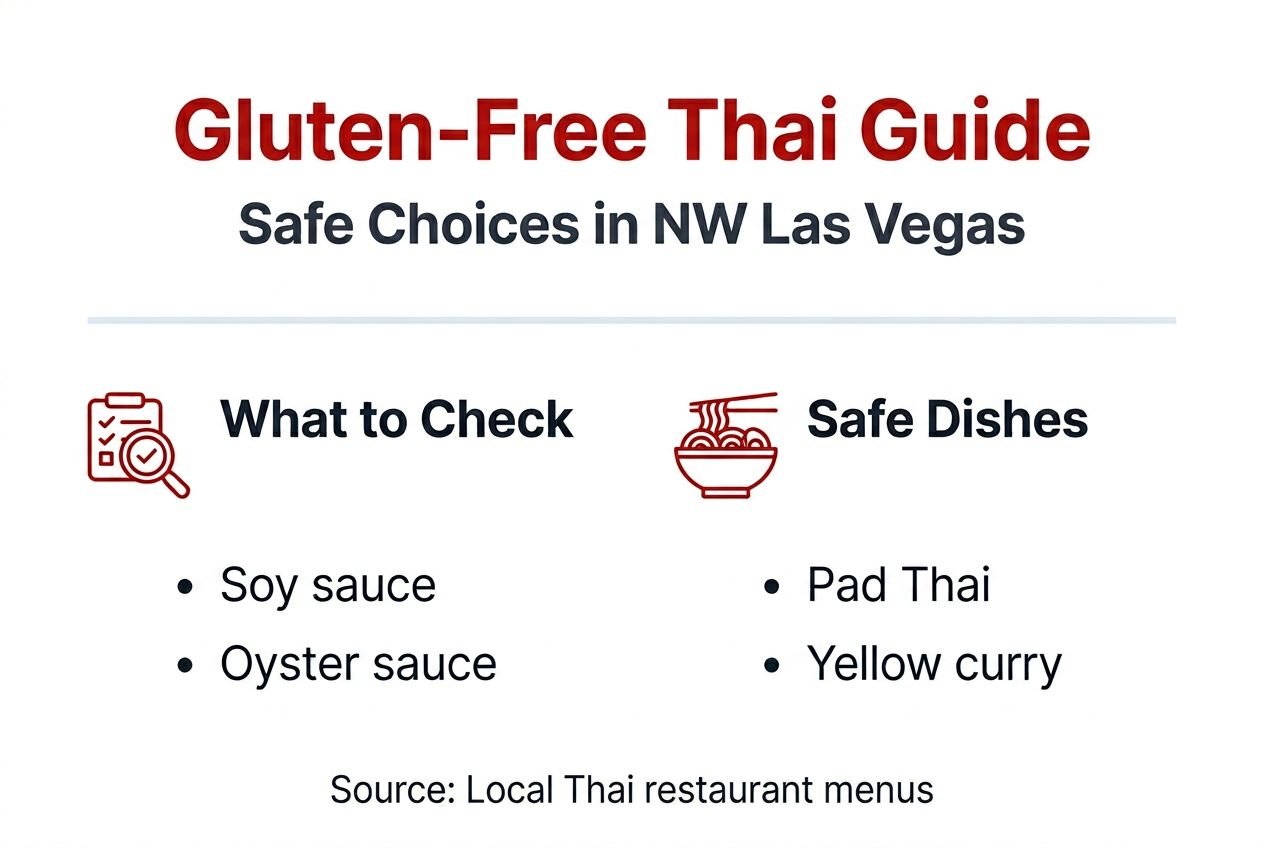
Prerequisites: what you need before ordering
Before calling a restaurant or clicking order online, gather critical information about your specific needs. If you have celiac disease versus mild sensitivity, your tolerance for cross-contamination differs dramatically. Knowing your diagnosis helps you communicate urgency to staff who may not understand the medical severity.
Access restaurant menus online to review allergen information before engaging with staff. Many Thai restaurants now publish detailed ingredient lists and preparation notes on websites. This preliminary research saves time and reduces miscommunication during busy service hours. You can identify potential safe dishes and prepare specific questions about preparation methods.
Prepare to clearly state gluten-free requirements using precise language. Vague requests like “I prefer no gluten” signal preference rather than medical necessity. Instead, use direct phrases:
“I have celiac disease and require strict gluten-free preparation”
“I need confirmation that soy sauce is gluten-free tamari”
“Please use separate cookware to prevent cross-contamination”
“Can you verify no wheat-based ingredients in this curry paste?”
Researching local restaurants with verified gluten-free protocols significantly improves outcomes. Look for establishments advertising gluten-free menus, reading recent customer reviews mentioning allergen safety, and checking if staff receive specialized training. Understanding how to choose gluten-free Thai restaurants sets you up for success.
Pro Tip: Save screenshots of menu allergen information on your phone for quick reference when ordering by phone or discussing options with delivery drivers who may need to verify details.
Understand common hidden gluten sources specific to Thai cuisine beyond obvious bread and noodles. Oyster sauce, hoisin sauce, and some fish sauces contain wheat. Imitation crab in certain appetizers includes wheat starch. Even seemingly safe salads may have croutons or wheat-based dressings. This knowledge prevents accidental exposure from overlooked ingredients.
Classic gluten-free Thai dishes to order
Pad Thai stands as the most iconic Thai dish and adapts beautifully to gluten-free requirements when prepared correctly. Traditional Pad Thai uses rice noodles, which are naturally gluten-free. The critical modification involves substituting regular soy sauce with certified gluten-free tamari or coconut aminos. When ordering, confirm the restaurant uses gluten-free alternatives and ask about cross-contamination during cooking.
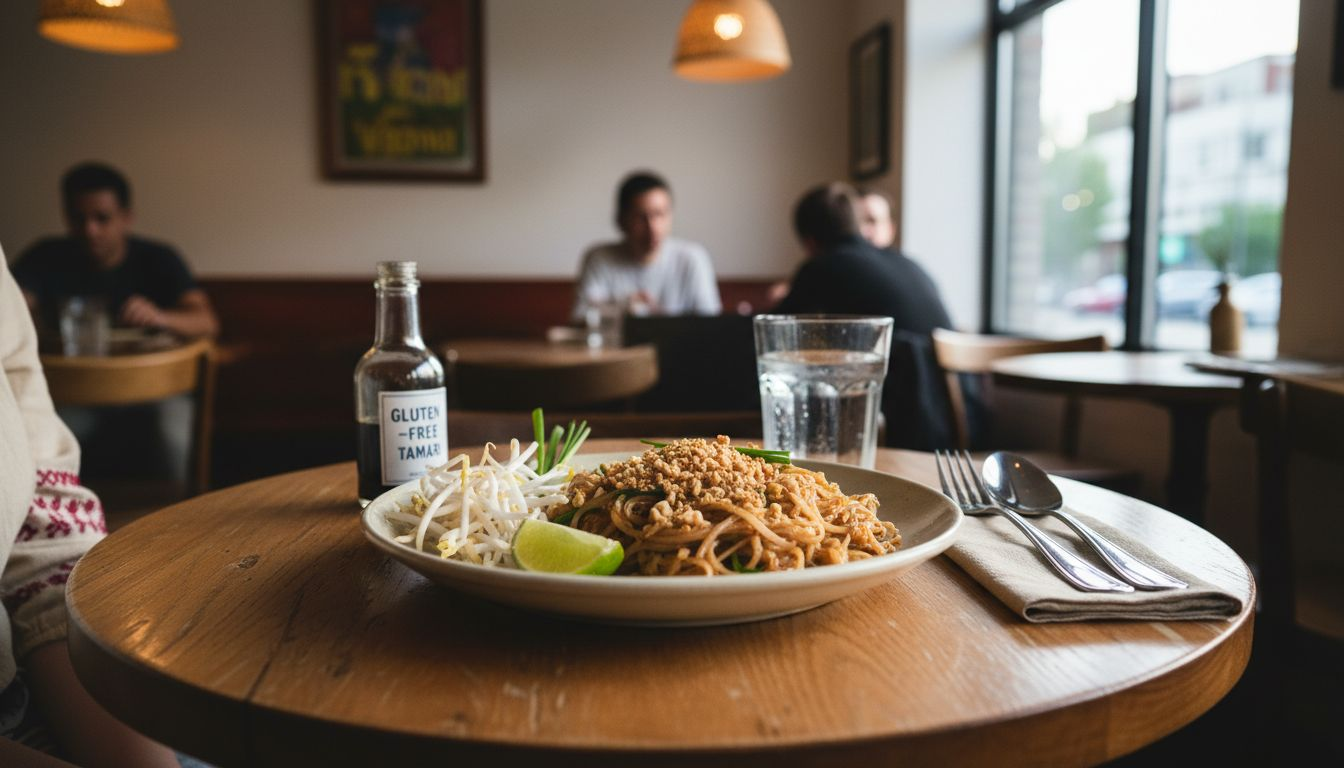
Yellow curry offers rich, complex flavors without gluten when made from scratch using coconut milk, turmeric, and fresh vegetables. Most curry pastes are gluten-free, but always verify the specific brand used. Order yellow curry over jasmine rice for a completely safe, satisfying meal. The combination delivers authentic Thai taste while meeting strict dietary requirements.
Mango sticky rice provides a naturally gluten-free dessert option celebrating traditional Thai ingredients. This dish combines glutinous rice (which despite the name contains no gluten), fresh mango, and sweetened coconut milk. It’s a perfect ending to your meal without safety concerns.
Other dependable gluten-free choices include:
Steamed jasmine rice as a base for any protein or vegetable dish
Fresh spring rolls with rice paper (avoid fried versions)
Tom Yum soup when prepared without wheat-based additives
Grilled meats or seafood with gluten-free marinades
Papaya salad without croutons or wheat-based dressings
Knowing these classic gluten-free Thai dishes builds your confidence when reviewing menus. You can quickly identify safe options and focus conversation with staff on preparation verification rather than ingredient education. This expertise streamlines ordering and reduces anxiety about accidental exposure.
Safe ordering practices to prevent cross-contamination
Ask explicitly about gluten-free preparation methods when placing orders, whether by phone, online, or in person. Don’t assume menu labels alone guarantee safety. Direct questions reveal whether restaurants use dedicated fryers, separate cutting boards, and clean cooking utensils. Staff responses indicate their knowledge level and commitment to allergen protocols.
Request specific accommodations to minimize cross-contact risks:
Ask the kitchen to use clean pans and utensils not previously used for gluten-containing dishes
Request that your food be prepared on sanitized surfaces away from wheat products
Confirm all sauces come from newly opened gluten-free bottles to avoid cross-contamination
Verify rice noodles are cooked in fresh water, not reused from wheat noodle batches
Request your order be packaged separately if ordering multiple items to prevent contact
Confirm order details upon pickup or delivery by quickly reviewing what you receive. Check that sauces match what you requested and verify the dish matches your conversation with staff. If anything seems incorrect, politely ask for clarification before leaving or accepting delivery. This final verification catches mistakes before consumption.
Use verified restaurant online order notes or speak directly with staff for absolute clarity. Written notes create documentation but may be overlooked during busy periods. Phone conversations allow real-time questions and confirmation. Combining both methods provides the strongest protection, with online notes serving as backup to verbal communication.
Pro Tip: Build relationships with specific restaurants by ordering regularly and providing positive feedback when they handle your needs well. Staff remember loyal customers and often provide extra care for repeat gluten-free diners.
Following these safe ordering practices consistently protects your health while enabling enjoyment of authentic Thai cuisine. The extra minutes spent confirming details prevent hours or days of illness from gluten exposure. Make verification a non-negotiable habit every time you order.
Common mistakes and how to avoid them
Assuming soy sauce is always gluten-free represents the single most dangerous mistake when ordering Thai food. Standard soy sauce contains wheat as a primary ingredient. Many restaurants use regular soy sauce by default unless you specifically request gluten-free tamari or coconut aminos. Always confirm sauce substitutions rather than assuming staff understand your needs.
Failing to communicate gluten needs clearly with restaurant staff risks serious contamination. Saying “I’m trying to avoid gluten” sounds like a preference rather than a medical requirement. This vague language may result in staff taking shortcuts or not prioritizing your safety. Instead, state “I have celiac disease” or “I have a severe gluten allergy” to convey urgency.
Not requesting separate cooking tools and surfaces exposes your food to gluten residue from previous dishes. Even if your ingredients are gluten-free, cooking in the same wok or cutting on the same board as wheat noodles transfers enough gluten to trigger reactions. Explicitly ask for clean equipment and verify the kitchen can accommodate this request.
Key mistakes to avoid:
Relying only on menu gluten-free labels without verbal staff confirmation
Ordering fried items without asking about dedicated gluten-free fryers
Accepting “probably gluten-free” as sufficient verification
Not reading ingredient lists for packaged sauces and condiments
Failing to mention cross-contamination concerns during ordering
Awareness of these common errors helps you stay proactive and protective of your health. Learning to avoid common ordering mistakes transforms dining from anxiety-inducing to enjoyable. Each mistake represents a learning opportunity that strengthens your ordering strategy for future meals.
Expected results and outcomes
High satisfaction rates correlate directly with explicit communication and selecting trusted restaurant partners. When you clearly state needs and choose establishments with proven gluten-free protocols, your likelihood of safe, delicious meals increases dramatically. Diners who follow systematic verification steps report minimal incidents compared to those who order casually.
Authentic Thai flavors can be fully preserved using gluten-free substitutions like tamari, rice noodles, and verified curry pastes. You don’t sacrifice taste for safety when restaurants use quality alternatives and proper techniques. The complex balance of sweet, sour, salty, and spicy that defines Thai cuisine remains intact with appropriate ingredient swaps.
Cross-contamination risks significantly drop when you work with restaurants implementing dedicated preparation protocols. Establishments using separate fryers, clean utensils, and trained staff provide measurably safer experiences. Your chances of accidental exposure decrease from moderate-high to very low with proper restaurant selection.
Outcome Metric | With Verification | Without Verification |
Safe meal rate | 95-98% | 60-70% |
Symptom-free experience | 97% | 65% |
Flavor satisfaction | 90% | 75% |
Repeat order likelihood | 85% | 45% |
Most customers experience no gluten exposure symptoms when following the practices outlined in this guide. The combination of ingredient knowledge, clear communication, and restaurant vetting creates multiple protective layers. This reinforces that safety and authentic taste are achievable together with proper planning.
Understanding these expected gluten-free ordering outcomes sets realistic expectations and motivates consistent application of best practices. You can enjoy Thai cuisine confidently knowing the steps you take directly impact your health and dining satisfaction.
Discover gluten-free Thai dining options at Thai Spoon Las Vegas
After learning how to order safely, you need a trusted local restaurant that understands gluten-free requirements. Thai Spoon Las Vegas operates in northwest Las Vegas with a dedicated approach to allergen-friendly dining that removes guesswork from ordering.
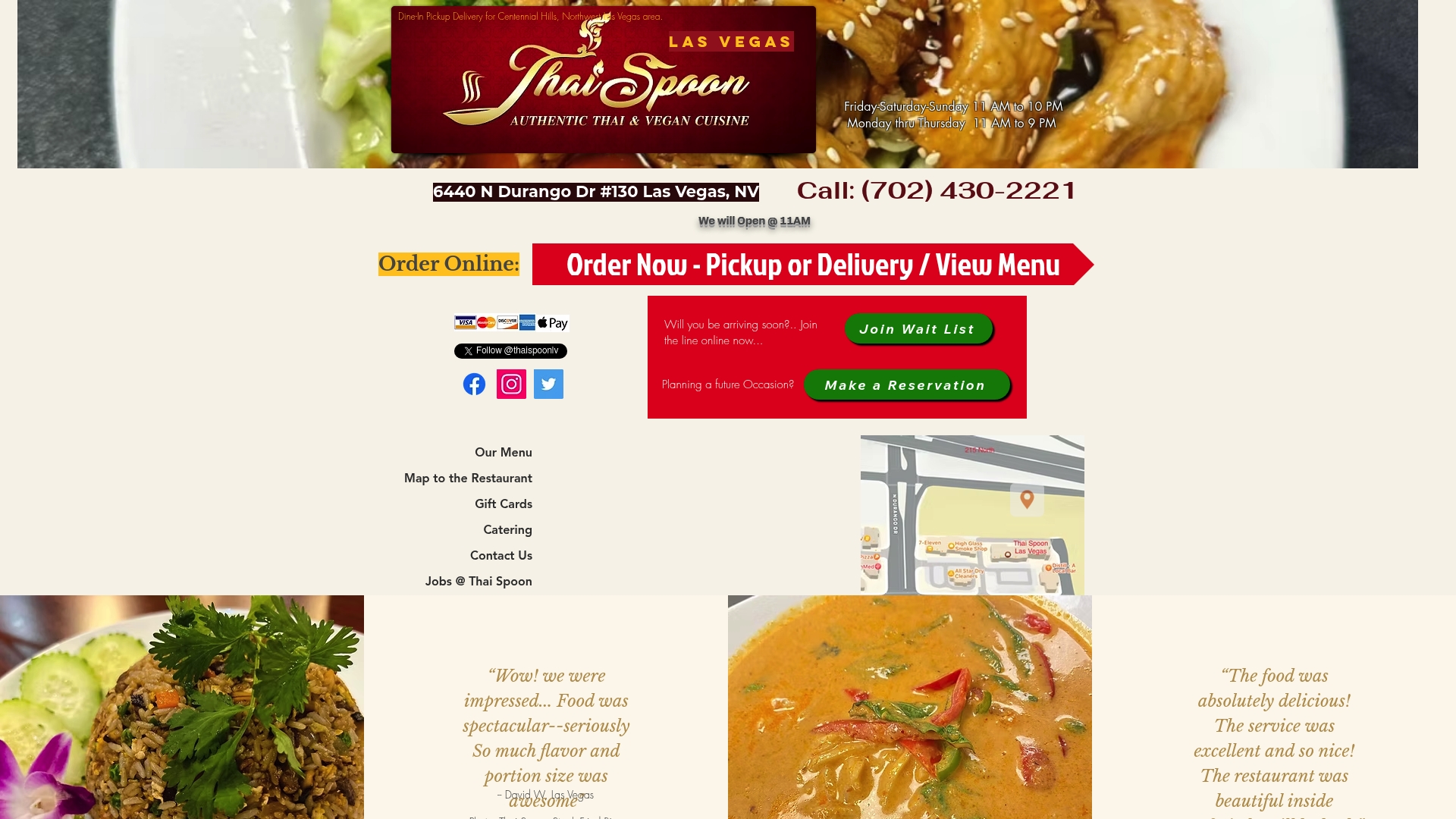
The restaurant offers clearly labeled gluten-free menu items with staff trained specifically in cross-contamination prevention and ingredient verification. Their gluten-free menu includes customer favorites like Pad Thai made with rice noodles and gluten-free tamari, plus yellow curry prepared with verified safe ingredients. Convenient online ordering lets you add detailed dietary notes before your order reaches the kitchen, ensuring clear communication every time. Local diners consistently rate Thai Spoon highly for authentic flavors and dependable gluten-free options, making it a reliable choice for takeout and delivery. Exploring their local gluten-free Thai guide and online ordering process helps you get started with confidence.
Frequently asked questions
What are common hidden sources of gluten in Thai dishes?
Soy sauce, oyster sauce, and hoisin sauce typically contain wheat unless specifically labeled gluten-free. Some curry pastes include wheat starch as a thickener, and fried items often use wheat flour batters. Always confirm ingredients with restaurant staff and request gluten-free alternatives for sauces.
How can I communicate my gluten-free needs effectively when ordering?
Use direct language like “I have celiac disease and need strict gluten-free preparation” rather than “I prefer to avoid gluten.” Specify requirements such as “substitute tamari for soy sauce” and “use clean cookware.” Mention medical necessity to emphasize the seriousness of your dietary needs.
Are there reliable gluten-free Thai delivery options in northwest Las Vegas?
Thai Spoon Las Vegas provides verified gluten-free delivery options with trained staff and clearly labeled menu items. Always review menu details online before ordering and use order notes to confirm preparation protocols. Calling to verify complex orders adds an extra safety layer for delivery.
Can rice noodles contain gluten?
Pure rice noodles are naturally gluten-free, but cross-contamination occurs if cooked in water previously used for wheat noodles or on surfaces with gluten residue. Always ask restaurants about their noodle preparation process and whether they use dedicated cooking water and equipment for gluten-free orders.
Is it safe to order fried Thai dishes when eating gluten-free?
Fried items are safe only if restaurants use dedicated gluten-free fryers and wheat-free batters. Most establishments share fryers between gluten-containing and gluten-free foods, causing contamination. Always ask about fryer protocols and consider choosing steamed, grilled, or sautéed options instead for maximum safety.
Recommended
Comments