


How to Choose Thai Rice for Perfect Home Cooking
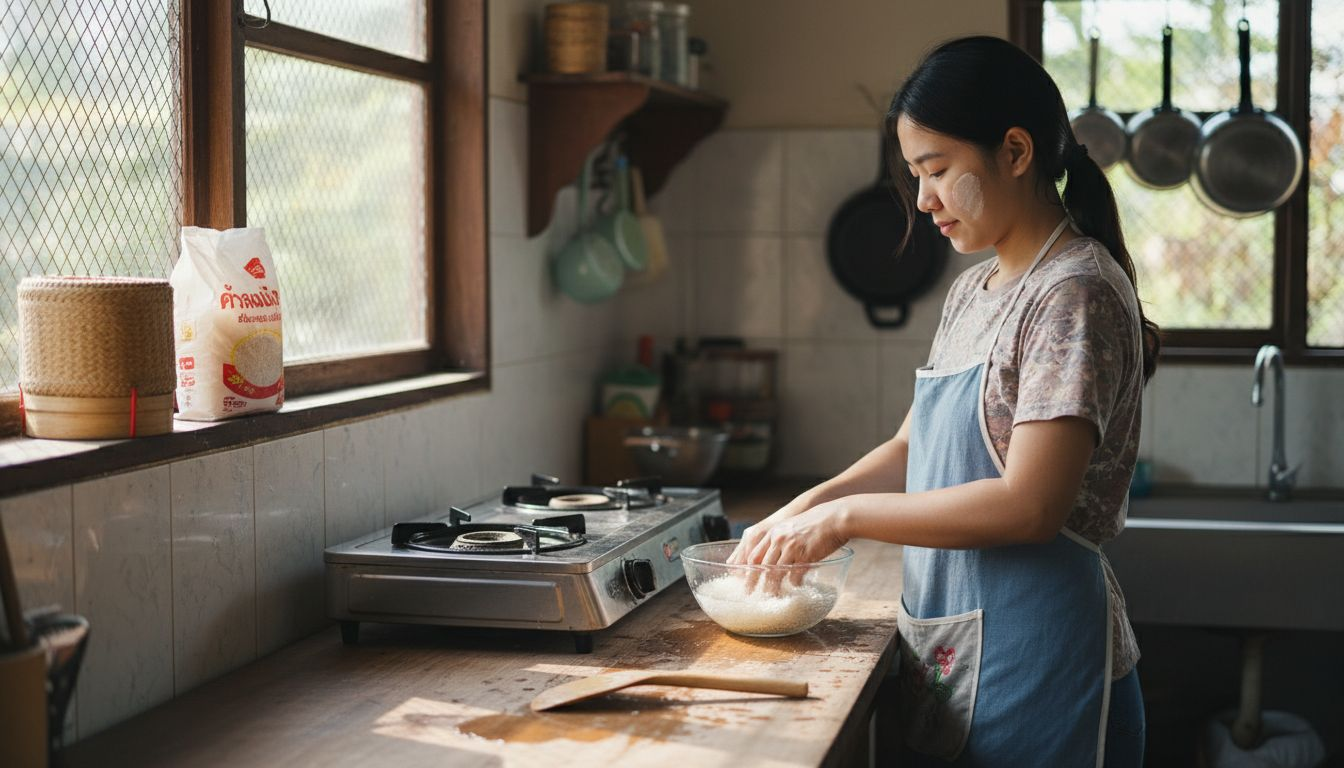
Most American home cooks in northwest Las Vegas want their homemade Thai dishes to taste authentic, but choosing the right rice can be confusing with so many options lining the shelves. Thailand is famous for creating over 16 million metric tons of rice every year, including Jasmine and glutinous types that transform a meal’s flavor and texture. Exploring these distinct Thai rice varieties empowers local food enthusiasts to create restaurant-quality results in their own kitchens.
Table of Contents
Quick Summary
Key Insight | Explanation |
1. Choose Authentic Thai Rice | Look for packages labeled as Thai Jasmine or Thai Glutinous rice to ensure quality and authenticity. |
2. Understand Rice Varieties | Familiarize yourself with Jasmine, Glutinous, Indica, and Japonica rice to select the right type. |
3. Assess Cooking Needs | Match rice varieties to recipes; Jasmine for main dishes and Glutinous rice for desserts and snacks. |
4. Inspect Rice Quality | Check for uniformity, color, and cleanliness before cooking to avoid contamination and ensure quality. |
5. Proper Rice Storage | Store uncooked rice in an airtight container away from moisture and inspect regularly for quality. |
Step 1: Identify Popular Thai Rice Varieties
Understanding the diverse world of Thai rice varieties is crucial for creating authentic and delicious home-cooked meals. Thailand produces several remarkable rice types that each bring unique characteristics and flavors to your culinary experiences.
The most prominent Thai rice varieties include Jasmine rice, a globally prized aromatic long-grain type, and glutinous or sticky rice. According to global agricultural research, Thailand specializes in four primary rice categories: Indica, Aromatic, Japonica, and Glutinous varieties. Jasmine rice stands out for its fragrant profile and soft, slightly clingy texture that makes it perfect for numerous Thai dishes.
Glutinous rice, often called sticky rice, represents another essential variety in Thai cuisine. This short-grain rice differs significantly from regular long-grain varieties, featuring a distinctive chewy texture and opaque white color. While Jasmine rice works beautifully in most savory dishes, sticky rice is traditionally used in desserts and specific regional specialties, especially in Northern and Northeastern Thai cooking.
Here is a summary of Thai rice varieties and their distinctive uses:
Rice Variety | Key Characteristics | Typical Use in Cuisine | Regional Specialty |
Jasmine Rice | Fragrant, long grain, soft | Savory dishes, main courses | Central, Northeast |
Glutinous Rice | Opaque, chewy, sticky | Desserts, snacks, traditional dishes | North, Northeast |
Indica | Non-aromatic, long grain | Everyday staple, fried rice | Nationwide |
Japonica | Short, round, less aromatic | Sushi, special fusion dishes | Limited usage |
Pro Tip: When shopping for Thai rice, look for packages labeled specifically as Thai Jasmine or Thai Glutinous rice to ensure authentic quality and origin.
Step 2: Compare Texture and Flavor Profiles
Understanding the nuanced textures and flavor profiles of Thai rice varieties is essential for creating authentic and delicious home-cooked meals. Each type of rice brings its own unique sensory experience to your culinary repertoire.
Jasmine rice distinguishes itself with a remarkable flavor profile arising from complex chemical compounds, particularly a specific compound called 2-acetyl-1-pyrroline that delivers its signature floral aroma. This aromatic long-grain rice features a soft, slightly sticky texture that becomes wonderfully tender when cooked, making it perfect for main dishes and side plates. Its delicate flavor complements a wide range of Thai recipes, from curries to stir-fries.
Glutinous rice, in contrast, presents a dramatically different sensory experience. With its intensely chewy texture and opaque white appearance, sticky rice offers a more robust mouthfeel that works brilliantly in desserts and specialty dishes. The texture is dense and compact, creating a unique eating experience that sets it apart from other rice varieties. While Jasmine rice provides a lighter, more fragrant base, glutinous rice delivers a more substantial and hearty component to Thai cuisine.
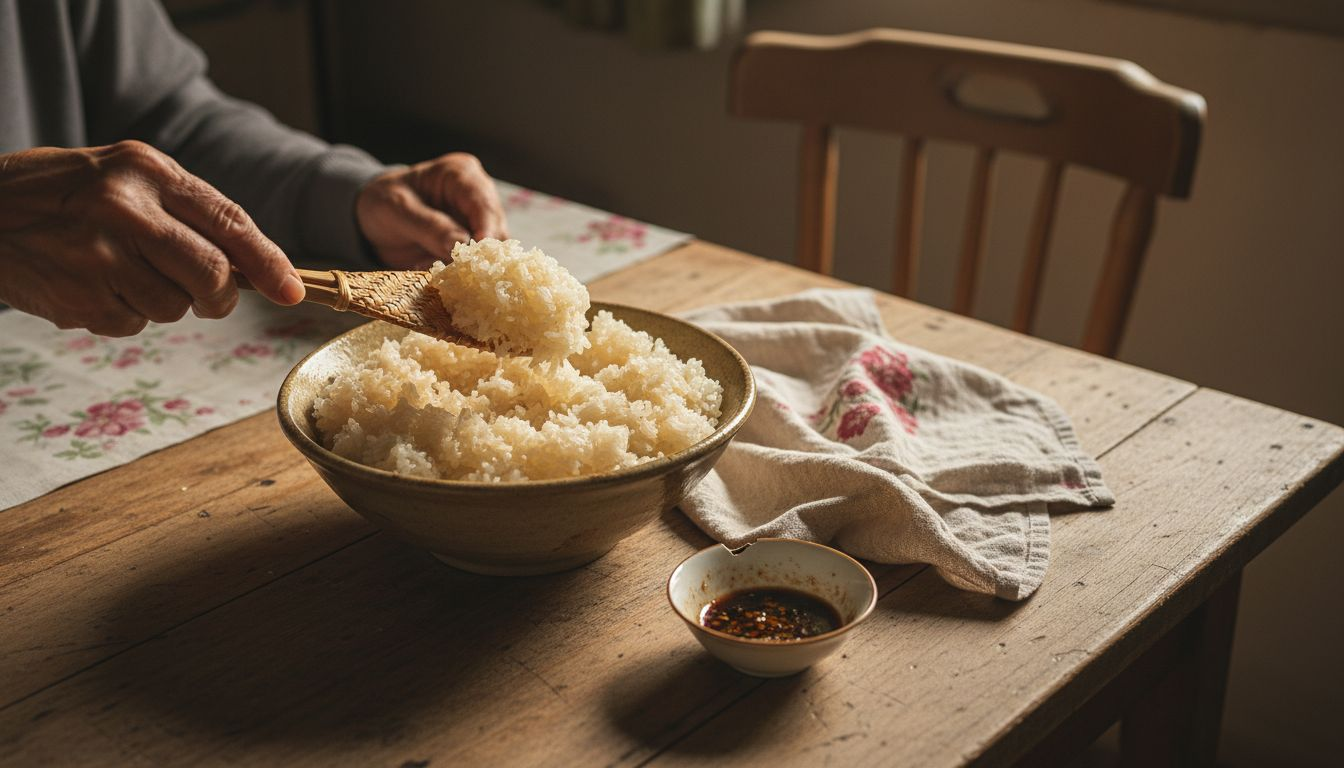
Pro Tip: When comparing rice varieties, always cook a small sample batch to truly understand its unique texture and flavor characteristics before preparing a full meal.
Step 3: Assess Package Labels and Origins
When shopping for authentic Thai rice, understanding how to carefully evaluate package labels is crucial for ensuring you select the highest quality product for your home cooking adventures. Knowing what to look for can make a significant difference in your culinary experience.
Careful examination of rice packaging begins with understanding food labeling regulations that require accurate disclosure of product contents and origins. Look for specific indicators that signal authentic Thai rice, such as clear country of origin labels from Thailand, specific variety names like Jasmine or glutinous rice, and any additional certifications that demonstrate quality. Authentic Thai rice packages often feature distinctive markings that indicate the specific region of production, grain type, and sometimes even the specific harvest season.
Beyond origin details, pay close attention to additional quality markers. Organic certifications, geographic indication stamps, and detailed processing information can provide valuable insights into the rice’s authenticity and production standards. Premium Thai rice packages might include details about the specific growing region, such as provinces known for exceptional rice cultivation like Surin or Chiang Rai. These details not only validate the rice’s origins but also offer a glimpse into the rich agricultural traditions behind each grain.
Pro Tip: Always check the packaging date and choose rice with the most recent production date to ensure maximum freshness and optimal flavor.
Step 4: Select the Right Rice for Your Dish
Choosing the perfect Thai rice for your specific recipe can transform an ordinary meal into an extraordinary culinary experience. Understanding the nuanced characteristics of different rice varieties is key to achieving authentic Thai flavors and textures.
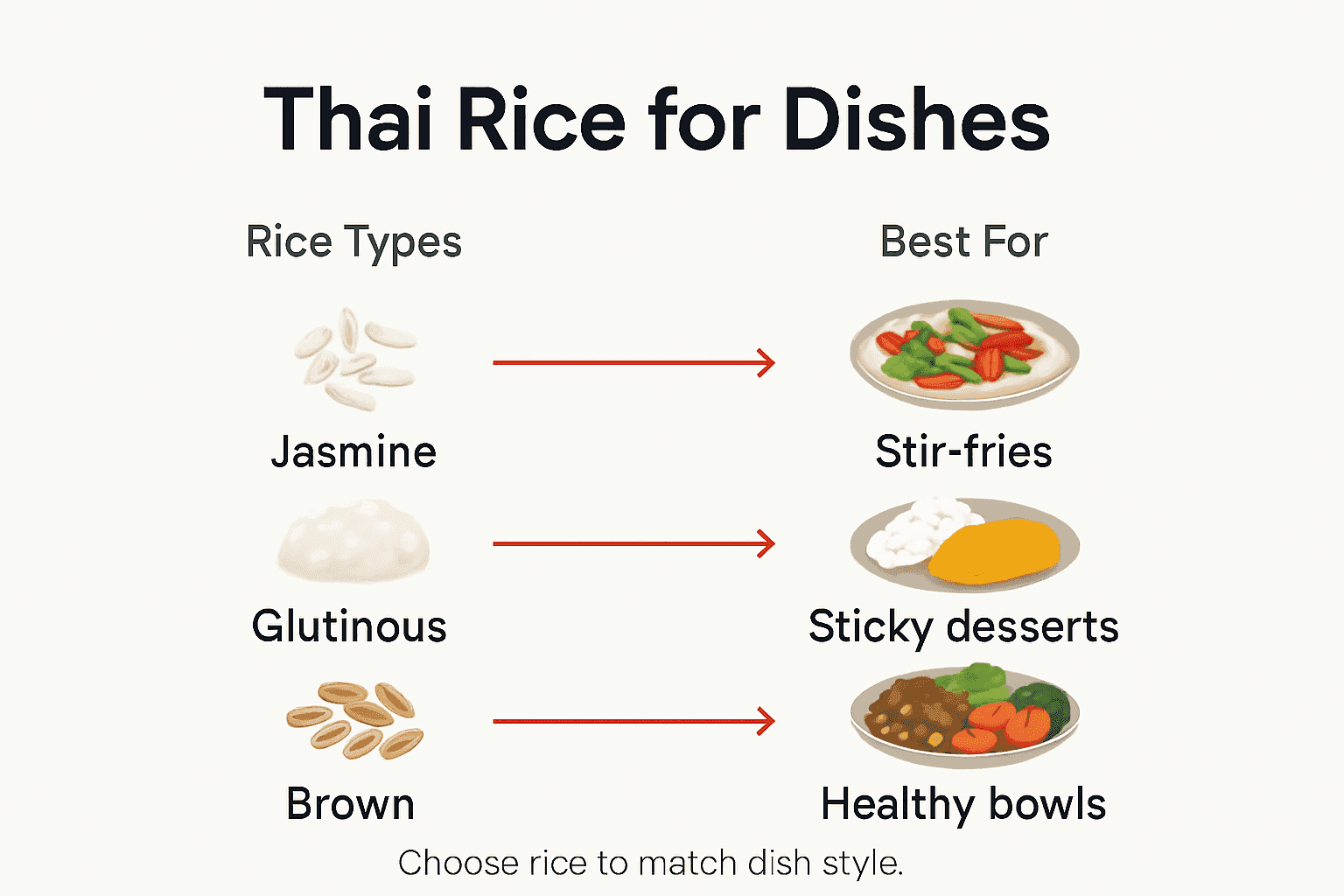
Precise rice selection begins with understanding how different rice types complement specific dishes. Jasmine rice works brilliantly for most main courses and side dishes, offering a fluffy texture and delicate aroma that enhances savory recipes. Its light grain structure absorbs flavors beautifully while maintaining a pleasant separation between grains. In contrast, glutinous rice delivers a completely different culinary profile perfect for desserts, snacks, and traditional dishes that require a sticky, cohesive texture.
Consider your specific recipe when making your selection. Stir fries and curries typically shine with Jasmine rice, while desserts like mango sticky rice demand glutinous varieties. Pay attention to cooking instructions, as water ratios and cooking times vary significantly between rice types. Some dishes specifically require the unique properties of one rice type over another, so matching the rice to your recipe is crucial for achieving authentic Thai cuisine results.
Compare ideal Thai rice varieties for popular home-cooked dishes:
Dish Type | Recommended Rice Variety | Texture Benefit | Flavor Profile |
Stir-fries & Curries | Jasmine Rice | Fluffy, absorbs sauces well | Delicate, floral aroma |
Mango Sticky Rice | Glutinous Rice | Dense, sticky, cohesive | Mild, neutral |
Fried Rice | Indica Rice | Firm, less sticky for stir-frying | Subtle, non-aromatic |
Sushi Fusion Rolls | Japonica Rice | Soft, slightly sticky | Gentle, underlying |
Pro Tip: When in doubt, start with Jasmine rice as a versatile default for most Thai home cooking recipes.
Step 5: Check Rice Quality Before Cooking
Ensuring the quality of your Thai rice before cooking is a critical step that directly impacts the flavor, texture, and safety of your final dish. A careful inspection can help you avoid potential cooking disappointments and health risks.
Start by thoroughly examining the rice for signs of contamination or damage. Look for a uniform color and consistent grain size, which indicates high-quality rice. Watch for any signs of insect damage, discoloration, or unusual odors that might suggest the rice is past its prime. The grains should appear clean, with no visible dust, debris, or moisture that could compromise their quality.
Proper storage plays a crucial role in maintaining rice quality. Transfer your rice to an airtight container and store it in a cool, dry place away from direct sunlight and humidity. Before cooking, spread the rice on a clean surface and remove any foreign particles, stones, or damaged grains. This careful preparation ensures not only the best possible flavor but also helps prevent potential food safety issues that could arise from contaminated or improperly stored rice.
Pro Tip: Store uncooked rice in a clear glass container to easily monitor its condition and quickly spot any signs of moisture or pest intrusion.
Discover Authentic Thai Rice Flavors Without the Guesswork
Choosing the right Thai rice variety can be confusing when you want to create perfect home-cooked meals. Whether you struggle with selecting fragrant Jasmine rice for your curries or authentic glutinous rice for traditional desserts, these decisions directly impact your dining experience. Instead of worrying about package labels or texture profiles, you can savor expertly prepared dishes made with genuine Thai rice at Thai Spoon Las Vegas.
Experience the true taste of Thailand without the hassle of sourcing ingredients. From classic Pad Thai to steak fried rice crafted with the perfect grain, our menu celebrates authentic Thai flavors made with care. Ready to enjoy perfectly cooked Thai rice dishes today? Visit Thai Spoon Las Vegas for convenient online ordering, explore our special lunch and happy hour menus or book a large-party reservation to share the experience with friends and family. Your journey to authentic Thai cuisine starts with one delicious step.
Frequently Asked Questions
What is the difference between Jasmine rice and glutinous rice?
Jasmine rice is a fragrant long-grain variety with a soft texture, ideal for savory dishes. In contrast, glutinous rice has a chewy, sticky texture that is predominantly used in desserts. Choose Jasmine rice for meals and glutinous rice for desserts.
How do I assess the quality of Thai rice before cooking?
To assess rice quality, check for uniform color and consistent grain size, ensuring there are no signs of contamination or damage. Spread the rice on a clean surface and remove any foreign particles. Proper inspection helps guarantee the flavor and safety of your dishes.
What rice variety should I use for stir-fries?
For stir-fries, Jasmine rice is the best choice due to its fluffy texture and ability to absorb flavors. This variety enhances the overall taste of your stir-fried dishes. Opt for freshly opened Jasmine rice for optimal results.
How can I identify authentic Thai rice?
Look for clear labels indicating the rice’s country of origin and specific varieties, such as Jasmine or glutinous rice. Authentic Thai rice packages often have distinctive markings; checking these can ensure you are selecting high-quality rice.
What cooking instructions vary between Jasmine and glutinous rice?
Jasmine rice typically requires a water-to-rice ratio of 1.5:1 and results in light, fluffy grains. In contrast, glutinous rice needs soaking for several hours and a 1:1 water-to-rice ratio for steaming. Adjust your cooking method based on the rice type to achieve the best texture.
Why is it important to choose the right rice for specific dishes?
Selecting the appropriate rice variety enhances flavors and textures, making your meals more authentic and enjoyable. For example, Jasmine rice elevates savory dishes, while glutinous rice complements sweet desserts perfectly. Tailor your rice choice to your recipe for the best culinary experience.
Recommended
Comments