


How to choose the perfect Thai curry dish in Vegas
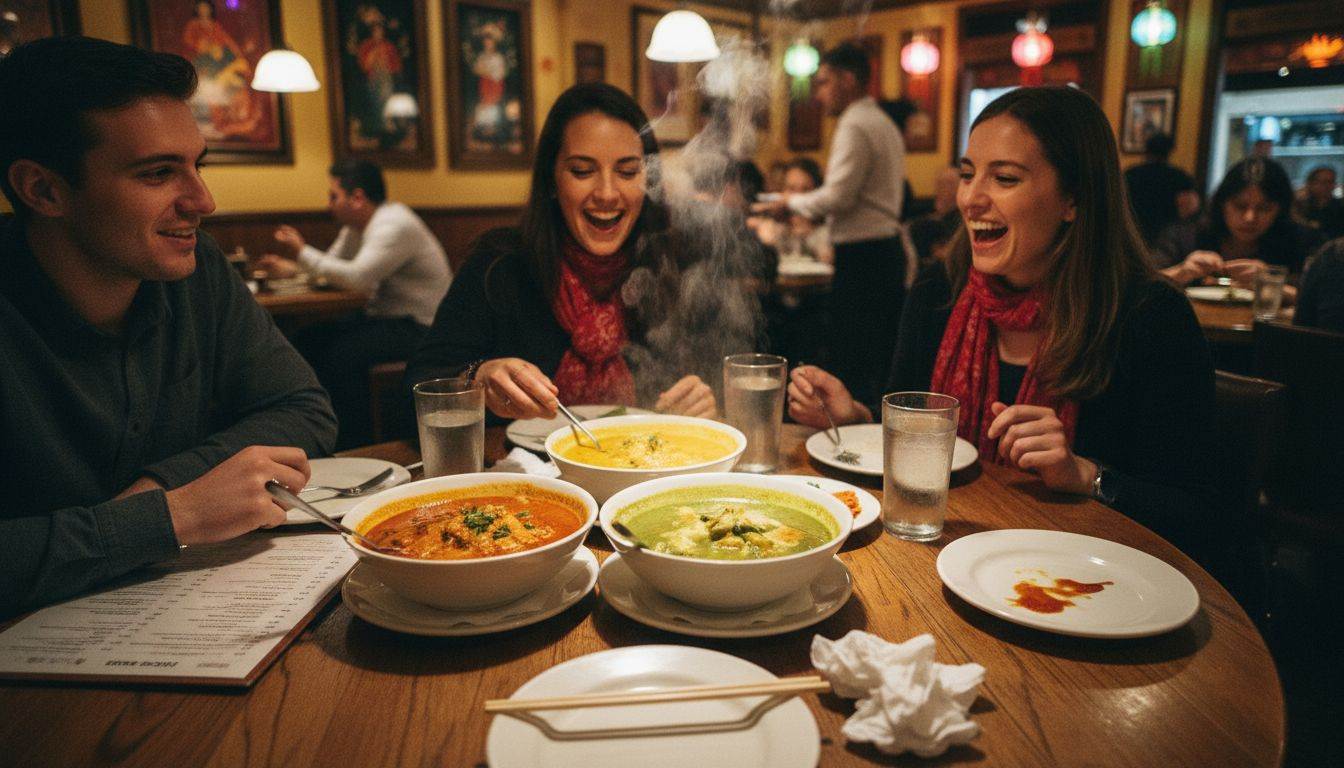
Choosing the right Thai curry can be overwhelming when you face red, green, and yellow options on a menu. 35% of first-time diners underestimate their spice tolerance leading to suboptimal curry choices, resulting in disappointment or wasted meals. This guide simplifies your decision by explaining curry types, spice levels, and dietary considerations so you can confidently order at Thai Spoon Las Vegas or any local Thai restaurant. Whether dining in or ordering takeout, you will gain practical knowledge to match your taste preferences and dietary needs perfectly.
Table of Contents
Key takeaways
Point | Details |
Red curry offers medium to high heat | Rich coconut flavor with red chili base, perfect for balanced spice lovers. |
Green curry is the hottest option | Fresh green chilies and herbs create intense heat with herbal sweetness. |
Yellow curry suits spice-sensitive diners | Milder turmeric-based curry ideal for beginners or low tolerance. |
Verify vegan and gluten-free ingredients | Always confirm preparation methods to avoid hidden allergens or fish sauce. |
Customize packaging and spice for takeout | Request sauces separately and specify heat level to maintain optimal flavor. |
Understanding the types of Thai curry dishes
Thai curries come in three primary types of Thai curries that define your dining experience. Red curry is medium to high spice level with a rich coconut milk base, delivering creamy texture balanced with red chili heat. This option works well if you enjoy moderate spice with deep, savory flavors.
Green curry typically has the highest heat intensity due to fresh green chilies and herbs, creating a bold, aromatic profile with slight sweetness. The fresh ingredients produce a more complex taste compared to red curry. If you handle serious heat and appreciate herbaceous notes, green curry delivers authentic intensity.
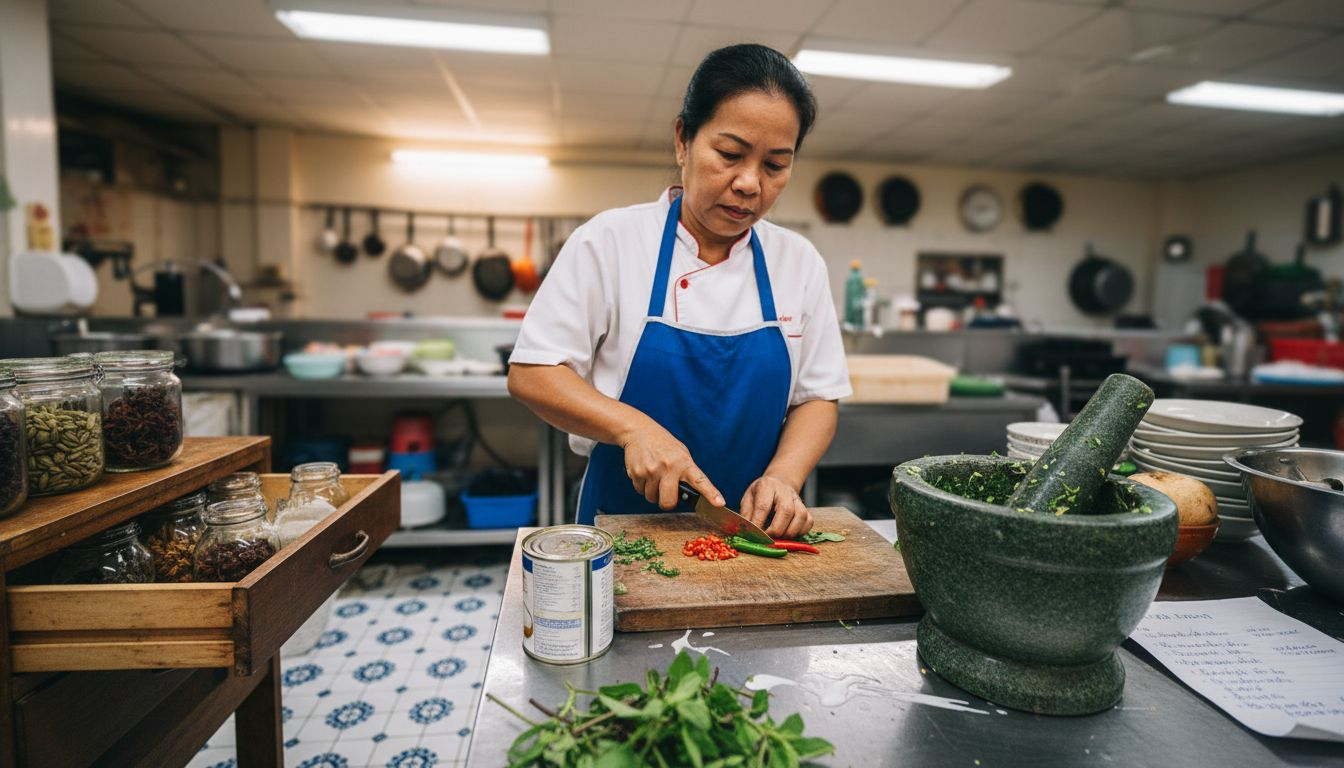
Yellow curry stands apart as the mildest choice, featuring turmeric and cumin for earthy warmth without overwhelming spice. This curry variety appeals to those new to Thai food or anyone avoiding strong heat. The golden color and gentle flavor make it accessible while maintaining authentic taste.
Authentic Thai curries differ significantly from Westernized versions you might encounter at chain restaurants. Traditional recipes use fresh curry pastes, whole spices, and specific herb combinations that create layered complexity. Western adaptations often simplify ingredients or increase sugar content, reducing the authentic balance of sweet, salty, sour, and spicy.
Curry Type | Heat Level | Key Ingredients | Best For |
Red | Medium-High | Red chilies, coconut milk, lemongrass | Balanced spice lovers |
Green | Very High | Green chilies, Thai basil, kaffir lime | Heat seekers |
Yellow | Mild | Turmeric, cumin, potatoes | Beginners, low tolerance |
Understanding these distinctions helps you select based on actual flavor profiles rather than guessing. The Serious Eats Thai curries guide provides additional technical details about paste preparation if you want deeper knowledge. Similarly, The Spruce Eats green curry guide explains why fresh herbs create superior heat compared to dried alternatives.
Dietary considerations: vegan and gluten-free options
Vegan Thai curries replace traditional fish sauce with soy sauce or tamarind paste while substituting protein with tofu, tempeh, or vegetables. These adaptations maintain authentic flavor when prepared correctly. Most curry pastes naturally contain plant-based ingredients, making the transition straightforward for skilled chefs.
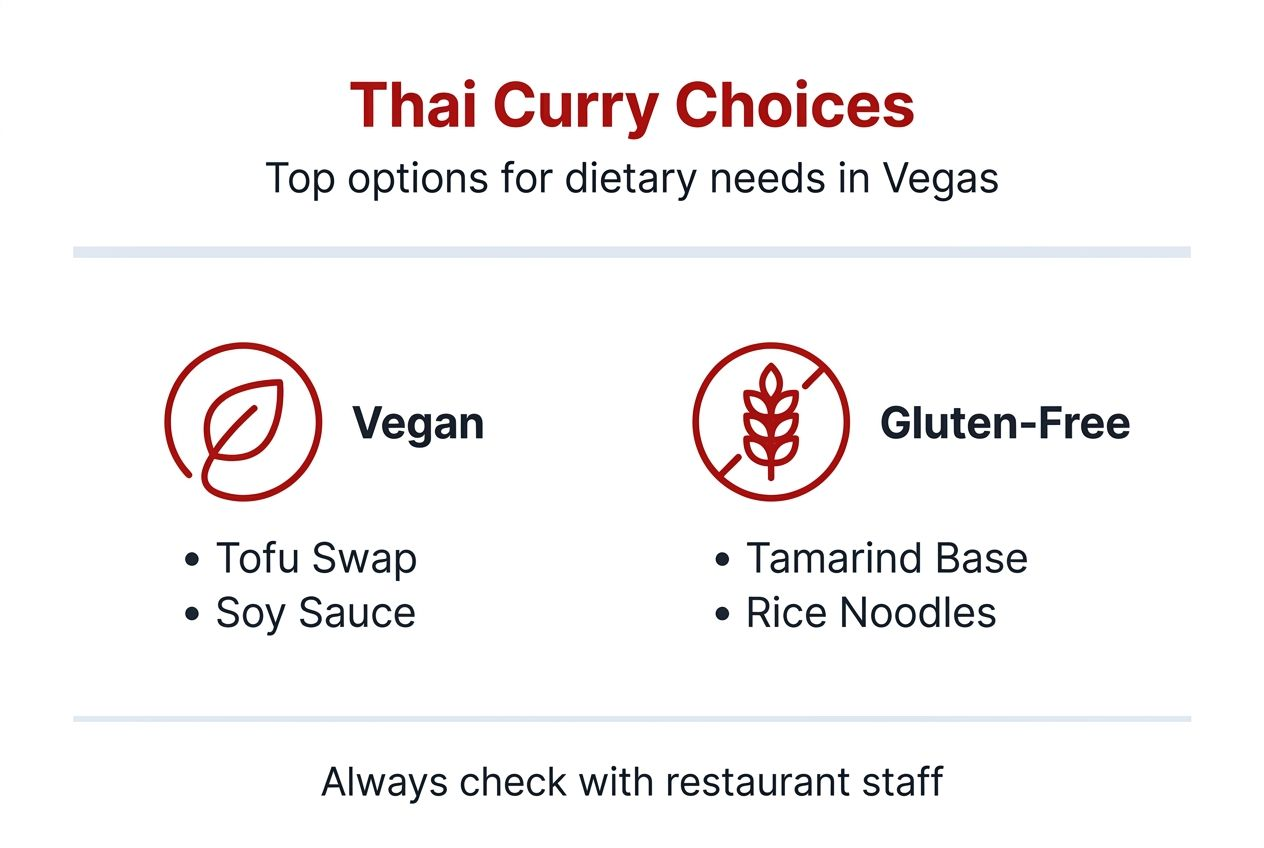
Gluten often hides in conventional soy sauce used for seasoning Thai curries. You must confirm the restaurant uses gluten-free tamari or coconut aminos as substitutes. Some curry pastes also contain wheat-based thickeners, so reading Thai menus for dietary needs requires careful attention to ingredient lists.
Cross-contamination presents real risks in busy kitchens where the same woks and utensils prepare multiple dishes. Always ask staff about separate cooking surfaces and dedicated equipment for allergen-free preparation. This conversation takes seconds but prevents serious reactions or disappointing meals.
Vegan and gluten-free Thai curry options are growing in popularity as restaurants recognize diverse dietary requirements. Thai Spoon and similar establishments now train staff to handle these requests with expertise. The quality matches traditional versions when chefs understand proper substitutions.
Pro Tip: State your dietary restriction twice when ordering, once to the server and again when confirming your order, to eliminate any confusion about ingredients or preparation methods.
Key dietary ordering practices:
Specify vegan requirements clearly and ask which curries naturally avoid animal products
Request gluten-free soy sauce confirmation and inquire about curry paste ingredients
Discuss cross-contamination protocols if you have severe allergies or celiac disease
Choose restaurants with dedicated dietary menus or trained staff like Thai Spoon
Ordering tips: dine-in vs takeout best practices
Requesting sauce separately for takeout prevents soggy rice and preserves the curry’s intended texture during transport. Heat and steam in closed containers can break down ingredients if mixed too early. This simple request maintains restaurant-quality flavor when you eat at home.
Clearly communicate your exact spice preference using specific terms like “mild,” “medium,” or “Thai hot” rather than vague descriptions. Different restaurants interpret spice levels differently, so establishing baseline expectations prevents disappointment. Mention if you want authentic heat or American-adjusted spice.
Lunch specials typically offer smaller portions at 20-30% lower prices, providing excellent value for sampling unfamiliar curries. These deals run during slower afternoon hours and include the same quality ingredients as dinner portions. You can try green curry without committing to a full-size serving.
Expect preparation times around 12-15 minutes for fully authentic curry dishes that use fresh ingredients and traditional cooking methods. Faster service often indicates pre-made sauces or shortcuts that compromise flavor. Plan accordingly when ordering takeout to avoid rushed meals.
Pro Tip: Ask for reheating instructions when picking up takeout, including ideal microwave times or stovetop methods that restore the curry’s original consistency and temperature.
Effective ordering sequence:
Review the types of Thai curries for ordering before arriving or calling
Understand Thai spice levels using the restaurant’s rating system
Communicate dietary restrictions and spice preferences explicitly to your server
Request separate packaging for sauce and rice if ordering takeout
Confirm customizations before finalizing your order
Common mistakes and how to avoid them
Overestimating your spice tolerance leads to uncomfortable meals and wasted food. 35% of diners underestimate their spice tolerance, but many also make the opposite mistake by ordering “Thai hot” without experience. Start with yellow or mild red curry, then gradually increase heat in future visits.
Failing to confirm dietary ingredients creates serious problems for those with allergies or strict dietary practices. Never assume a curry is vegan or gluten-free based on appearance or menu descriptions. Direct conversation with kitchen staff provides accurate information about hidden ingredients like fish sauce or wheat-based thickeners.
Skipping spice level customization reduces satisfaction significantly. Restaurants prepare curries to default medium heat unless you specify otherwise. This generic approach rarely matches individual preferences perfectly. Taking 10 seconds to request your ideal spice level dramatically improves enjoyment.
Neglecting proper rice pairing diminishes the curry experience since rice balances heat and absorbs sauce effectively. Jasmine rice complements most curries with its subtle fragrance, while sticky rice works better for drier curry styles. Order appropriate portions to avoid running out mid-meal.
For takeout orders, accepting standard packaging without requesting special accommodations results in texture degradation and flavor loss. Heat-sensitive ingredients like Thai basil and crispy vegetables become wilted or soggy during transport. Specify proper containers and separation to maintain quality.
Mistakes that reduce curry satisfaction:
Ordering the hottest curry on your first visit without testing tolerance
Assuming vegetable curries are automatically vegan without checking fish sauce
Accepting default spice levels instead of customizing to your preference
Forgetting to order adequate rice portions for sauce absorption
Letting takeout curries sit in sealed containers without proper ventilation
Check spicy Thai dishes ranking to understand where your chosen curry falls on the heat spectrum before committing.
Expected outcomes and pairing recommendations
Authentic Thai curry preparation requires 12-15 minutes for proper cooking as chefs build flavors through precise timing and fresh ingredient additions. Rushed curries lack the depth that develops from properly blooming curry paste in hot oil before adding coconut milk. Quality restaurants refuse to compromise this process even during busy periods.
Customizing spice levels and ingredients improves satisfaction by 40% or more compared to accepting default preparations. Your specific preferences for heat, protein choice, and vegetable mix create a personalized dish that matches your exact taste. This customization costs nothing but requires clear communication.
Lunch portion sizes typically measure 30-40% smaller than dinner servings, making them ideal for sampling new curry varieties without excessive commitment. You pay proportionally less while still receiving authentic preparation and quality ingredients. This option works perfectly for solo diners or those building spice tolerance gradually.
Pairing Thai curry dishes with jasmine rice balances heat and enhances flavor through the rice’s subtle floral aroma and starch content that neutralizes capsaicin. The neutral base lets complex curry spices shine while providing textural contrast. Sticky rice offers a chewier alternative for certain curry styles.
Curry Type | Expected Heat | Portion Size (Lunch) | Recommended Pairing |
Red | Medium-High | 10-12 oz | Jasmine rice, Thai iced tea |
Green | Very High | 10-12 oz | Extra jasmine rice, coconut water |
Yellow | Mild | 10-12 oz | Jasmine or brown rice, regular water |
Explore Thai dinner ideas and pairings for complete meal planning beyond just curry and rice. The best rice pairings for Thai curry guide explains how different rice types affect overall taste experience.
Realistic expectations for your curry experience:
Preparation time ranges from 12-15 minutes for authentic cooking methods
Spice levels vary between restaurants even with similar terminology
Lunch portions provide 1-2 servings while dinner sizes typically serve 2-3
Customization significantly improves satisfaction over default preparations
Experience authentic Thai curries at Thai Spoon Las Vegas
Thai Spoon brings authentic Thai curry expertise to northwest Las Vegas with customizable vegan and gluten-free options that never compromise on flavor. Their trained chefs adjust every dish to your exact spice preference and dietary requirements, ensuring satisfaction whether you dine in or order takeout. The menu features traditional red, green, and yellow curries prepared with fresh ingredients and time-honored techniques.
Visit during lunch hours for value-priced portions perfect for sampling new curry varieties. The friendly staff guides you through spice levels and ingredient options, answering questions about essential Thai ingredients and preparation methods. Their convenient online ordering system lets you specify every customization for pickup or delivery.
Explore the complete Thai Spoon menu to discover curry options alongside complementary dishes like spring rolls and Thai iced tea. The Thai cuisine cooking guide on their blog provides additional insights into authentic flavors and techniques. Located just 20 minutes from the Strip, Thai Spoon serves locals and visitors seeking genuine Thai food away from tourist areas.
Frequently asked questions
How spicy is Thai curry generally?
Thai curry spice levels vary dramatically from mild yellow curry to extremely hot green curry. Most restaurants customize heat to your preference, so you control the final spice intensity. Always start milder than you think you can handle and increase gradually on future visits.
Can I customize my Thai curry for spice and dietary needs?
Most Thai restaurants, including Thai Spoon, adjust spice levels from mild to authentic Thai hot based on your request. They also accommodate vegan and gluten-free requirements by substituting ingredients like fish sauce with plant-based alternatives. Communicate your needs clearly when ordering to ensure proper customization.
Are vegan and gluten-free Thai curries truly authentic?
Many traditional Thai curries naturally accommodate vegan diets or require only minor adaptations like replacing fish sauce with soy sauce. Gluten-free versions use tamari instead of regular soy sauce while maintaining authentic flavor profiles. The key is working with experienced chefs who understand proper substitutions.
What are the best practices for takeout Thai curry orders?
Request curry sauce and rice in separate containers to prevent sogginess and maintain texture during transport. Ask staff for specific reheating instructions including ideal temperatures and methods. Always specify your exact spice level and dietary restrictions clearly to avoid mistakes that cannot be corrected after pickup.
Recommended
Comments