


The History of Thai Cuisine — and Where to Taste It in Centennial Hills, Las Vegas
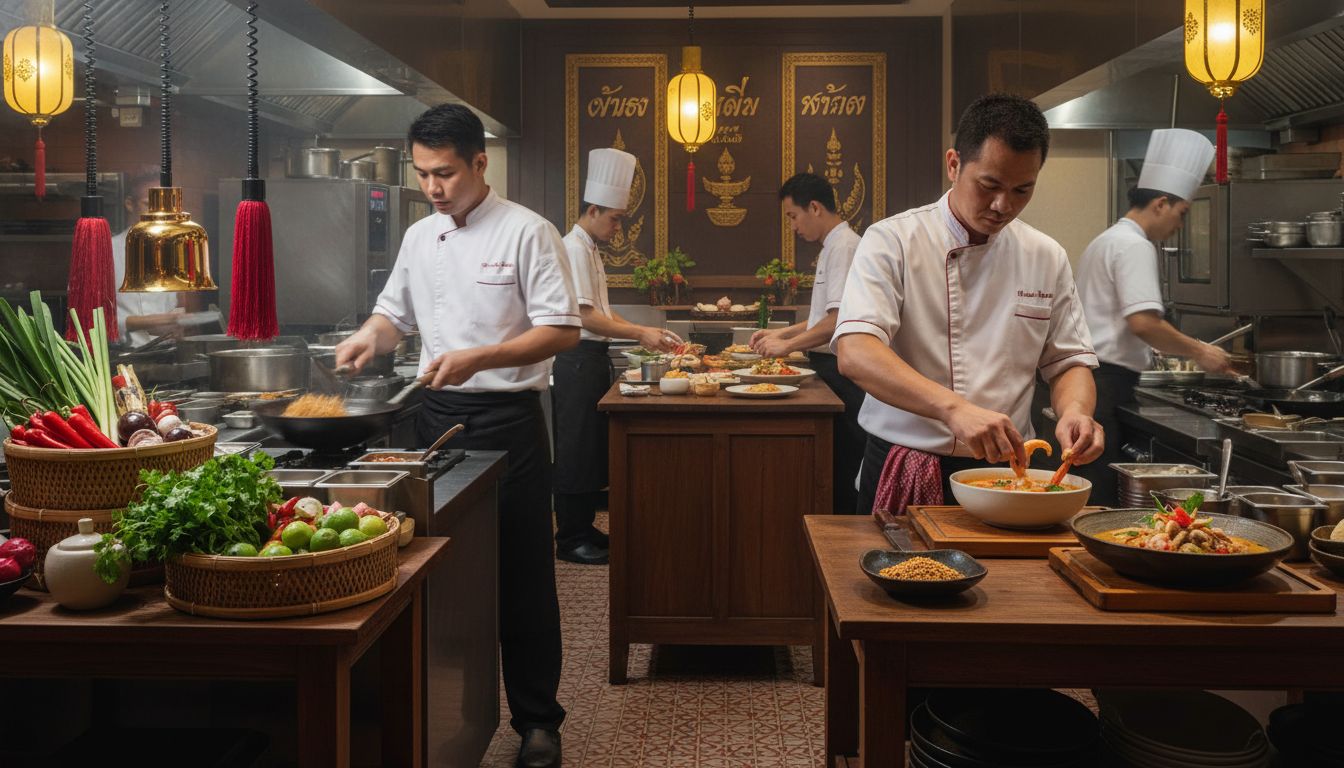
Thai food has a story that stretches back centuries — and you can taste that history without leaving Northwest Las Vegas. At Thai Spoon in Centennial Hills, the same balance of sweet, sour, salty, and spicy that defines classic Thai cooking shows up in dishes like our Kao Soy and Green Curry. Here's how Thai cuisine evolved, and how those traditions land on your plate at 6440 N Durango Dr.
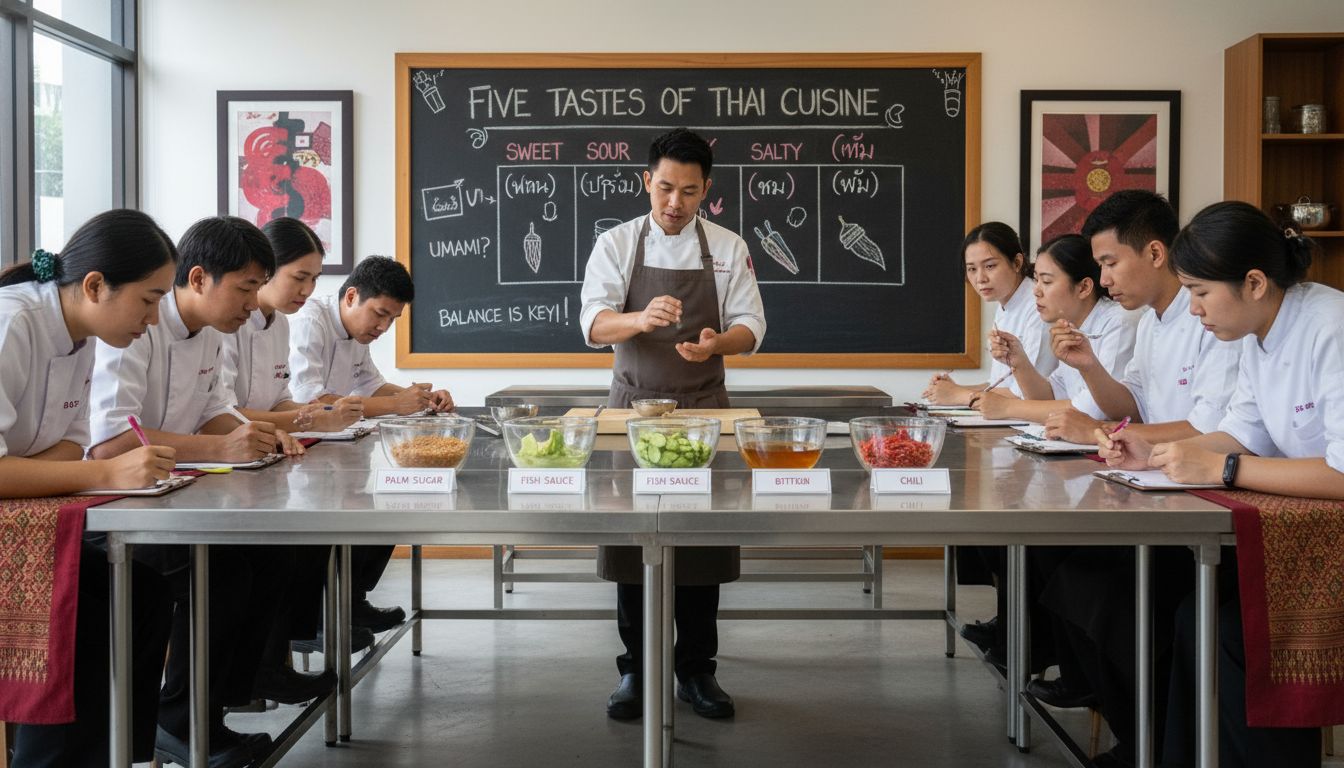
A single spoonful of Thai food delivers a symphony of flavors, blending sweet, sour, salty, bitter, and spicy notes into every bite. This remarkable balance of five fundamental tastes has roots that stretch back centuries, shaped by royal courts, bustling markets, and waves of trade and migration. Understanding what sets Thai cuisine apart reveals not just its culinary magic but also the deep cultural stories and global influences woven into each celebrated dish.
Table of Contents
Key Takeaways
Point | Details |
Culinary Foundations | Thai cuisine is defined by a balance of five taste sensations, using fresh ingredients and herbs, marking its rich cultural heritage. |
Historical Influences | Major transformations occurred with the arrival of Portuguese and Chinese influences, introducing key ingredients and cooking techniques. |
Regional Diversity | Each of Thailand’s regions offers distinctive flavors and dishes, shaped by local ingredients and culinary traditions. |
Global Adaptation | Thai cuisine has evolved globally, adapting traditional recipes for international palates while retaining its fundamental flavors and techniques. |
What Defines Thai Cuisine And Its Origins
Thai cuisine represents a vibrant culinary tradition that beautifully blends complex flavor profiles, fresh ingredients, and centuries of cultural evolution. According to Hospitality Institute, Thai food is characterized by a remarkable balance of five fundamental taste sensations: sweet, sour, salty, bitter, and spicy. This intricate flavor harmony emerges through masterful use of fresh herbs and spices like lemongrass, ginger, garlic, and chili peppers.
The origins of Thai cuisine trace back to the Sukhothai period (13th to 15th centuries), a pivotal era in culinary development. During this time, rice cultivation became central to Thai gastronomic culture, with jasmine rice emerging as a staple ingredient that would define regional cooking. Samui Island Explorer notes that this period marked significant cultural exchanges and trade interactions that would profoundly shape Thai culinary traditions.
Key defining elements of authentic Thai cuisine include:
Emphasis on fresh, seasonal ingredients
Complex layering of flavors
Strategic use of herbs and spices
Balanced approach to taste profiles
Influence from neighboring cultures
What makes Thai cuisine truly unique is its ability to transform simple ingredients into extraordinary dishes. The culinary approach goes beyond mere sustenance, representing a sophisticated art form that reflects Thailand’s rich cultural heritage. By understanding these fundamental characteristics, food enthusiasts can appreciate the depth and complexity that define this remarkable gastronomic tradition.
For more insights into the unique aspects of Thai cuisine, explore our guide on what makes Thai cuisine unique.
Key Historical Influences On Thai Food
Thai cuisine emerged as a rich tapestry of culinary influences, shaped by centuries of cultural exchanges and trade interactions. Hospitality Institute reveals that several pivotal historical moments dramatically transformed Thai cooking, introducing ingredients and techniques that would redefine the nation’s gastronomic landscape.
One of the most significant transformations occurred in the 16th century with the arrival of Portuguese traders. These European explorers introduced chili peppers and numerous New World ingredients that would become foundational to Thai cuisine. Similarly, Samui Island Explorer notes that Chinese immigrants played a crucial role in culinary evolution during the 19th and early 20th centuries, bringing transformative cooking techniques like stir-frying and introducing noodle dishes that would become integral to Thai culinary traditions.
Key historical culinary influences include:
Portuguese traders introducing chili peppers
Chinese immigrants bringing stir-frying techniques
Indian traders contributing spice knowledge
Southeast Asian regional ingredient exchanges
Trading routes facilitating ingredient diversity
The multicultural nature of these influences underscores Thai cuisine’s remarkable adaptability and openness to external culinary traditions.
Each wave of immigrants and traders contributed unique flavors, techniques, and ingredients that were skillfully integrated into the existing culinary framework. To explore more about the cultural nuances of Thai food, check out our guide on Thai cuisine culture.
Signature Dishes And Their Development
Thai cuisine boasts an extraordinary array of signature dishes that tell a rich story of cultural fusion, historical interactions, and culinary innovation. These dishes represent more than just food they are living chronicles of Thailand’s complex gastronomic journey, reflecting influences from neighboring cultures and historical trading networks.
Wikipedia reveals a fascinating example of this culinary evolution through Massaman curry, a dish with roots tracing back to the 17th-century Ayutthaya court. This iconic dish emerged from a remarkable cultural intersection, blending Thai culinary techniques with Persian and Indian spices, introduced by merchant Sheik Ahmad Qomi. The curry symbolizes how external influences were not just absorbed but transformed into something uniquely Thai.
Some of the most iconic Thai signature dishes include:
Massaman Curry: Reflecting Persian and Indian influences
Pad Thai: A national culinary symbol
Tom Yum Soup: Representing complex flavor profiles
Som Tam: Showcasing regional ingredient diversity
Ho Mok: Demonstrating traditional steaming techniques
Another compelling example of Thai culinary depth comes from steamed curry dishes, known as ho mok, which have been integral to royal ceremonies and traditional rituals since the Ayutthaya and Lan Na periods. These dishes underscore how Thai cuisine is not just about taste, but about cultural preservation and storytelling. For food enthusiasts wanting to explore more authentic Thai dishes, check out our guide to the best Thai dishes to try.
Regional Varieties Across Thailand
Thai cuisine is a vibrant mosaic of flavors, ingredients, and cooking techniques that reflect the country’s diverse geographical and cultural landscape. Wikipedia reveals a fascinating culinary geography where each region boasts its own distinctive gastronomic identity, shaped by local ingredients, historical influences, and unique cultural traditions.
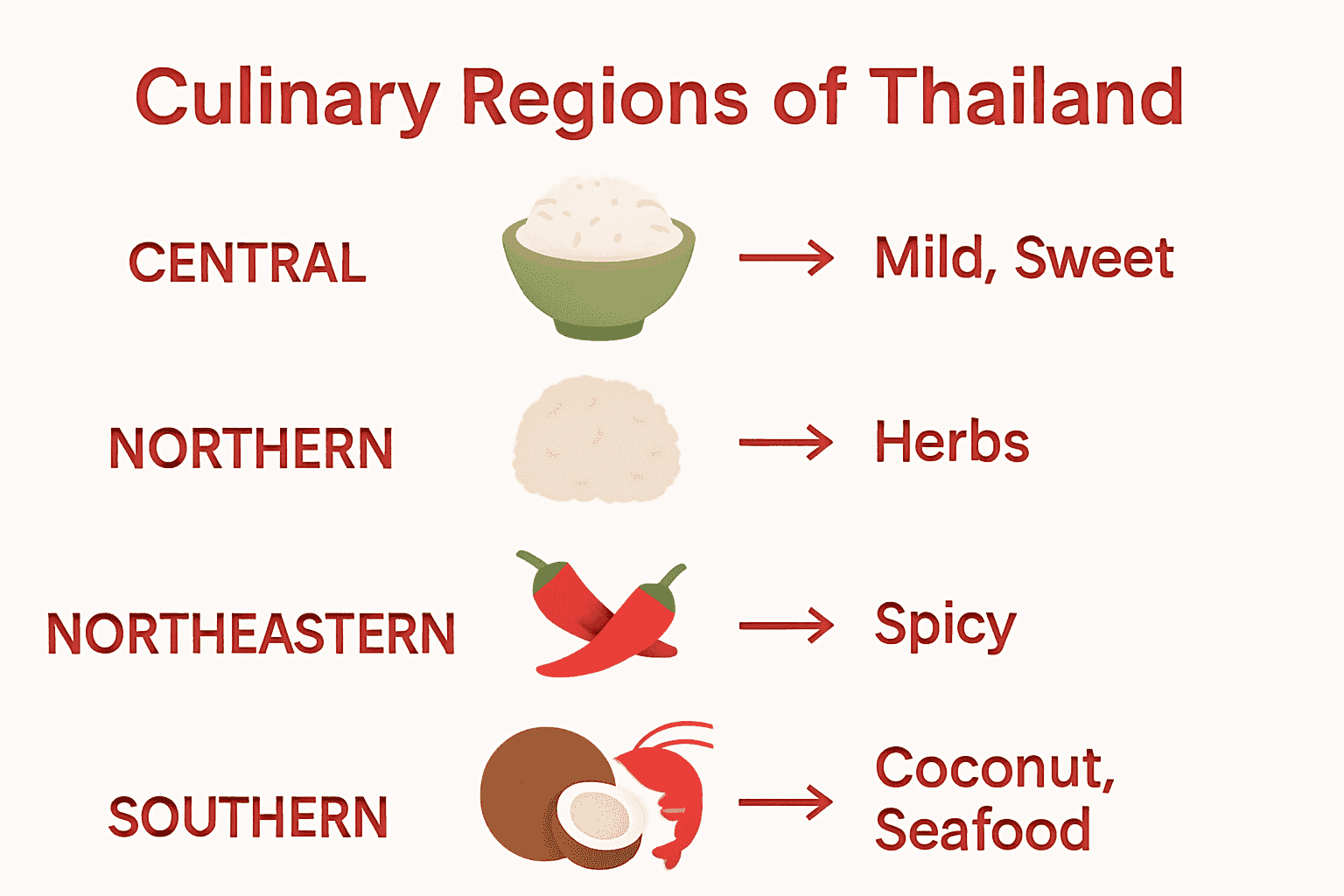
In the central region, culinary practices center around jasmine rice and a carefully balanced flavor profile that harmonizes sweet, sour, salty, and spicy elements. The northern region presents a different culinary experience, characterized by milder dishes and the prominent use of sticky rice. By contrast, the northeastern Isan region is renowned for its fiery spicy salads and expertly grilled meats, while the southern region distinguishes itself through liberal use of coconut milk and an abundance of seafood-based dishes.
Key regional culinary characteristics include:
Central Region: Balanced flavors, jasmine rice
Northern Region: Mild dishes, sticky rice
Northeastern Isan: Spicy salads, grilled meats
Southern Region: Coconut milk, seafood-focused cuisine
The Journal of Ethnic Foods highlights how historical periods like the Thonburi era (1767–1782) and Rattanakosin era (1782–present) dramatically influenced Thai cuisine through the introduction of Chinese cooking techniques and international culinary influences. These historical layers have created a rich, complex food culture that continues to evolve. For food enthusiasts eager to explore authentic local flavors, our guide to enjoying local Thai cuisine offers deeper insights into these remarkable regional variations.
Modern Adaptations And Global Impact
Thai cuisine has undergone a remarkable transformation in the global culinary landscape, evolving from a regional cuisine to an internationally celebrated gastronomic experience. Hospitality Institute reveals that the 20th century marked a pivotal moment in Thai culinary history, as tourism and global interactions prompted significant adaptations to traditional recipes.
These adaptations primarily focused on modifying traditional dishes to suit international palates. Chefs began adjusting spice levels, experimenting with ingredient combinations, and creating more accessible versions of classic Thai dishes. Samui Island Explorer notes that while these modifications occurred, the core essence of Thai flavor profiles and fundamental cooking techniques remained remarkably intact, ensuring the cuisine’s authentic character was preserved.
Key aspects of Thai cuisine’s global transformation include:
Reduction of extreme spice levels
Introduction of more vegetarian and vegan options
Fusion with local culinary traditions
Increased use of internationally available ingredients
Simplified cooking techniques for home cooks
The global impact of Thai cuisine extends far beyond mere food adaptation. It has become a cultural ambassador, introducing people worldwide to the nuanced flavors, cooking philosophies, and rich culinary traditions of Thailand. For those interested in exploring the authentic depth of Thai street food culture, check out our guide to Thai street food, which offers a deeper understanding of how traditional recipes have evolved and spread globally.
Experience the True Taste of Thailand’s Culinary Heritage
The journey through the rich history of Thai cuisine reveals a fascinating blend of flavors shaped by centuries of cultural exchange and tradition. If you crave an authentic taste that balances sweet, sour, salty, bitter, and spicy just like the classic dishes from Thai history, discovering them firsthand is the ultimate way to connect with this culinary art. Whether it is the complexity of Massaman curry or the freshness of a spicy Isan salad, the origins and evolution of these dishes bring a story to every bite.
Bring those stories to life today by exploring the authentic menu at Thai Spoon Las Vegas. We serve time-honored dishes such as Pad Thai, Yellow Curry, and Steak Fried Rice crafted with fresh ingredients and traditional techniques. Whether you seek vegan or gluten-free options or want to savor rich regional flavors, you can order online for pickup or delivery or join us in person just minutes from the Strip. Taste the history in every meal and celebrate the enduring legacy of Thai cuisine by visiting our homepage, checking out our guide on what makes Thai cuisine unique, or learning more about authentic local flavors. Don’t wait to indulge in a true culinary tradition that connects the past with your plate today.
Frequently Asked Questions
What are the key characteristics of Thai cuisine?
Thai cuisine is defined by a balance of five fundamental tastes: sweet, sour, salty, bitter, and spicy. It emphasizes fresh, seasonal ingredients, complex layering of flavors, and the strategic use of herbs and spices.
What historical influences shaped Thai cuisine?
Thai cuisine evolved through numerous cultural exchanges, prominently featuring influences from Portuguese traders who introduced chili peppers, Chinese immigrants who brought stir-frying techniques, and Indian traders who contributed spice knowledge.
Can you name some signature Thai dishes and their origins?
Signature Thai dishes include Massaman curry, which reflects Persian and Indian influences, Pad Thai, Tom Yum Soup, Som Tam, and Ho Mok. Each dish showcases a blend of historical and regional influences.
How has Thai cuisine adapted in the modern world?
Thai cuisine has adapted by modifying traditional recipes to suit international tastes, including reducing spice levels, introducing vegetarian options, and fusing local culinary traditions while maintaining core flavor profiles and cooking techniques.
Craving authentic Thai in Northwest Las Vegas? Thai Spoon is your Centennial Hills neighborhood spot at 6440 N Durango Dr, open daily 11 AM to 1 AM. Dine in, pick up, or get it delivered — order online at thaispoonlasvegas.com or call 702-430-2221, and tell us your spice level from 0 to 10.
Recommended

Comments