


7 Signature Thai Spices — and the Centennial Hills Dishes That Show Them Off
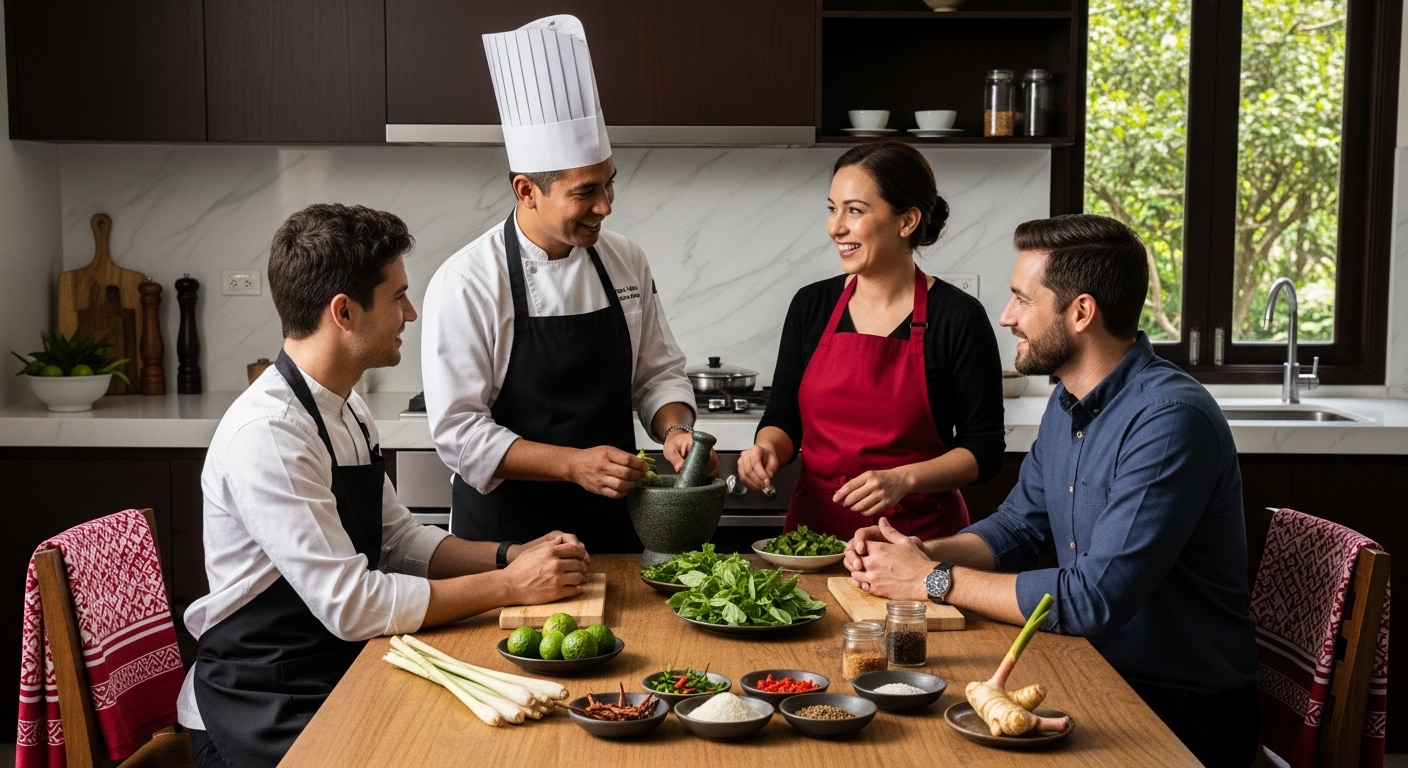
The magic of Thai food lives in its spices and aromatics. At Thai Spoon in Northwest Las Vegas, these seven build the flavors locals come back for — from the lemongrass in our Tom Yum to the holy basil in our Drunken Noodles. Here are the spices, what they do, and where to taste each one on our Centennial Hills menu.
Thai cuisine stands out with dazzling colors, bold flavors, and legendary complexity. Yet most people have no idea that it’s the precise mix of just a handful of spices that gives Thai food its famous balance. In fact, some of these essential spices offer more than taste—they carry century-old stories and health benefits. For example, did you know lemongrass contains powerful antimicrobial compounds and antioxidants, according to scientific research? But it’s not just about spiciness or aroma. These signature Thai spices completely transform everyday ingredients into vibrant culinary adventures, turning each meal into an experience that goes far beyond the plate.
Table of Contents
Quick Summary
Takeaway | Explanation |
Understand key Thai spices for authentic cooking | Familiarizing yourself with signature spices is essential for creating genuine Thai dishes that highlight flavor complexities. |
Lemongrass adds brightness and health benefits | This herb enhances dishes with its citrusy flavor while offering antimicrobial and antioxidant properties. |
Thai basil contributes unique flavor depth | Use Thai basil for its robust, peppery taste that complements various traditional recipes effectively. |
Bird’s Eye Chili delivers intense heat | Incorporating Bird’s Eye Chili can elevate dishes with its fiery flavor, creating memorable culinary experiences. |
Palm sugar balances flavors with depth | Utilizing palm sugar in dishes brings a rich, nuanced sweetness that enriches both savory and sweet preparations. |
1: Introduction to Signature Thai Spices
Thai cuisine is a vibrant culinary landscape that transforms ordinary ingredients into extraordinary flavor experiences. At the heart of this remarkable cuisine are signature spices that create complex, harmonious taste profiles that tantalize the palate and transport diners across continents. These spices are not merely seasonings but storytellers of Thailand’s rich cultural heritage, each carrying centuries of culinary tradition.
According to research from the National Library of Medicine, Thai spices represent more than just flavor enhancers. They embody a sophisticated understanding of balance and complexity that distinguishes Thai cooking from other global cuisines. The strategic combination of these spices creates layers of taste that range from intensely spicy to subtly aromatic.
Key characteristics of signature Thai spices include:
Intense aromatic qualities that awaken multiple sensory experiences
Profound medicinal and health benefits deeply rooted in traditional healing practices
Ability to create multi-dimensional flavor profiles in a single dish
For food enthusiasts eager to explore authentic Thai cuisine, understanding these signature spices is crucial. They are the building blocks of dishes that have made Thai food renowned worldwide. From street food to sophisticated restaurant offerings, these spices transform simple ingredients into culinary masterpieces.
If you’re interested in diving deeper into the world of authentic Thai flavors, check out our comprehensive guide to Thai cuisine that explores the nuanced art of spice selection and usage. Understanding these spices is not just about cooking technique but about appreciating a rich cultural narrative expressed through food.
2: The Fragrant Power of Lemongrass
Lemongrass stands as a cornerstone of Thai culinary artistry, transforming ordinary dishes into extraordinary sensory experiences with its distinctive citrusy and herbal profile. This slender green stalk is far more than a simple seasoning it represents a complex botanical marvel that captures the essence of Southeast Asian cooking.
According to scientific research from the National Library of Medicine, lemongrass contains powerful essential oils, particularly citral, which contribute not just remarkable flavor but also significant health benefits. Its aromatic compounds provide a unique brightness that cuts through rich and heavy dishes, creating a balanced culinary experience.
Key characteristics of lemongrass include:
Intense citrus-like fragrance that immediately signals authentic Thai cuisine
Versatile usage in soups, curries, marinades, and herbal teas
Potential antimicrobial and antioxidant properties that extend beyond flavor
In traditional Thai cooking, chefs carefully select and prepare lemongrass to extract maximum flavor. The tough outer layers are typically removed, and the tender inner stalks are finely chopped or bruised to release their essential oils. This meticulous preparation technique ensures that every bite carries the herb’s vibrant essence.
From street food stalls to high-end restaurants, lemongrass represents more than an ingredient it is a cultural symbol of Thai culinary sophistication. Its ability to elevate simple dishes into complex flavor experiences makes it a true signature spice of Thai cuisine.
For those interested in exploring authentic Thai flavors further, our comprehensive Thai cuisine guide offers deeper insights into the art of using lemongrass and other signature spices.
3: Unlocking Flavor with Thai Basil
Thai basil emerges as a culinary powerhouse that distinguishes Thai cuisine from other regional cooking styles, offering a complex aromatic profile that transforms ordinary dishes into extraordinary culinary experiences. Unlike its sweet Italian counterpart, Thai basil carries a unique peppery and anise-like essence that provides depth and character to numerous traditional recipes.
According to scientific research exploring Thai basil’s phytochemical composition, this remarkable herb contains 62 unique phytochemicals, including powerful antioxidants like luteolin and kaempferol. These compounds not only contribute to the herb’s distinctive flavor but also offer significant health benefits.
Key characteristics of Thai basil include:
Robust peppery and slightly spicy flavor profile
Ability to withstand high cooking temperatures without losing aromatic qualities
Rich in antioxidants and potential health-promoting compounds
In traditional Thai cooking, chefs use Thai basil strategically to create layers of flavor. Its leaves are often added at the end of cooking to preserve their vibrant green color and intense aroma. Whether garnishing a spicy curry or being the star ingredient in Pad Kra Pao, Thai basil brings an unmistakable authenticity to dishes.
The herb’s versatility extends beyond savory dishes. Its complex flavor profile makes it an excellent ingredient in herbal teas, cocktails, and even desserts. Chefs appreciate its ability to add a bright, sharp note that cuts through rich and heavy preparations.
For those passionate about exploring authentic Thai flavors, our comprehensive guide to Thai cuisine offers deeper insights into the art of using signature herbs and spices like Thai basil.
4: The Heat of Bird’s Eye Chili
Bird’s Eye Chili represents the fiery soul of Thai cuisine, delivering an explosive heat that transforms ordinary dishes into memorable culinary adventures. These tiny peppers pack an extraordinary punch, embodying the bold and uncompromising flavor profile that makes Thai food legendary among spice enthusiasts worldwide.
According to scientific research exploring capsaicin’s physiological effects, Bird’s Eye Chili contains high concentrations of capsaicin, a compound responsible not just for intense heat but also potential metabolic and pain relief benefits. This small pepper represents more than a simple seasoning it is a complex botanical marvel that challenges and delights the palate.
Key characteristics of Bird’s Eye Chili include:
Extremely high heat level, ranging between 50,000 to 100,000 Scoville Heat Units
Compact size belying its intense flavor contribution
Versatility in both fresh and dried forms across multiple cooking techniques
In traditional Thai cooking, these chilies are used with strategic precision. Chefs understand that a few Bird’s Eye Chilies can dramatically transform a dish’s entire flavor profile. Whether finely chopped into a spicy salad, crushed into a dipping sauce, or added whole to simmering curries, these peppers bring an authentic and unapologetic heat.
The pepper’s significance extends beyond mere spiciness. It represents a culinary philosophy that embraces bold, direct flavors and celebrates the complexity of sensory experiences. Each bite challenges diners to embrace discomfort and discover pleasure in intensity.
For those curious about exploring the nuanced world of Thai spices, our comprehensive guide to authentic Thai cuisine offers deeper insights into the art of balancing heat and flavor.
5: Balancing Sweetness with Palm Sugar
Palm sugar represents more than a simple sweetener in Thai cuisine it is a cultural cornerstone that embodies the delicate balance of flavors characteristic of Southeast Asian cooking. Unlike refined white sugar, palm sugar brings a complex, nuanced sweetness that enhances both savory and sweet dishes with remarkable depth and character.
According to historical research exploring Thai culinary traditions, palm sugar has been integral to Thai food culture, reflecting the local way of life through its use of natural, locally sourced ingredients. The traditional process of extracting this sugar requires extraordinary skill and understanding of palm tree cultivation.
Key characteristics of palm sugar include:
Rich caramel-like flavor profile with subtle smoky undertones
Lower glycemic index compared to traditional refined sugars
Nutritional benefits from trace minerals and micronutrients
Traditional Thai chefs use palm sugar with extraordinary precision, understanding its ability to balance spicy, sour, and salty flavors. A small amount can transform a dish, adding complexity that white sugar simply cannot achieve. In curries, marinades, and desserts, palm sugar acts as a harmonizing element that brings all ingredients into perfect dialogue.
The production of palm sugar remains a testament to Thai agricultural wisdom. Skilled artisans carefully tap palm tree inflorescences, collecting the sweet sap and carefully reducing it to create this remarkable ingredient. Each batch carries the essence of local terroir, telling a story of landscape, climate, and generations of culinary expertise.
For food enthusiasts eager to explore the nuanced world of authentic Thai flavors, our comprehensive Thai cuisine guide offers deeper insights into the art of ingredient selection and preparation.
6: The Aromatic Charm of Kaffir Lime Leaves
Kaffir lime leaves emerge as a botanical masterpiece in Thai cuisine, delivering an extraordinary aromatic complexity that elevates dishes from ordinary to extraordinary. These distinctive dark green leaves are not merely a seasoning but a sensory portal into the heart of Southeast Asian culinary traditions.
According to scientific research exploring their essential oil composition, Kaffir lime leaves contain powerful compounds like citronellal, citronellol, and limonene, which contribute to their unique fragrance and potential therapeutic properties. These leaves represent more than a simple herb they are a sophisticated flavor conductor that transforms entire dishes.
Key characteristics of Kaffir lime leaves include:
Intense citrusy and slightly peppery aroma
Ability to infuse dishes with complex flavor layers
Versatility in both fresh and dried forms
In traditional Thai cooking, chefs use Kaffir lime leaves with remarkable precision. They are often added whole to curries, soups, and stews, allowing their essential oils to slowly release and permeate the dish. Unlike other herbs that lose potency during cooking, these leaves maintain their robust flavor profile, making them a secret weapon in Thai culinary arts.
The leaves are typically added early in the cooking process and removed before serving, similar to a bay leaf. Their contribution is subtle yet transformative, providing a bright, citrusy undertone that cuts through rich and heavy preparations. From Tom Yum soup to green curry, Kaffir lime leaves are the unsung heroes that create depth and authenticity.
For those passionate about exploring the nuanced world of Thai flavors, our comprehensive guide to Thai cuisine offers deeper insights into the art of using signature herbs and spices.
7: Enhancing Dishes with Fish Sauce
Fish sauce represents the umami heartbeat of Thai cuisine, transforming ordinary ingredients into extraordinary culinary experiences with its complex, deeply savory profile. This amber liquid is far more than a simple condiment it is a fundamental building block of flavor that captures the essence of Southeast Asian cooking.
According to scientific research exploring its flavor potential, fish sauce can be used as a sophisticated alternative to traditional salt, offering a nuanced way to enhance dishes without compromising taste intensity. Its remarkable ability to elevate flavor makes it an indispensable ingredient in Thai kitchens.
Key characteristics of fish sauce include:
Intense umami flavor derived from fermented fish
Versatility across multiple cooking techniques
Potential health benefits from unique peptide compounds
Traditional Thai chefs use fish sauce with remarkable precision, understanding its power to add depth and complexity to every dish. Just a few drops can transform a recipe, bringing a salty, savory dimension that cannot be replicated by any other ingredient. From marinades to stir-fries, soups to dipping sauces, fish sauce is the secret weapon that connects all elements of a meal.
The production of high-quality fish sauce is an art form that requires patience and expertise. Made by fermenting small fish like anchovies with salt, the process can take months or even years. Each batch carries the essence of its ingredients, telling a story of maritime traditions and culinary craftsmanship.
For those eager to explore the nuanced world of Thai flavors and learn how to incorporate these signature ingredients, discover our top Thai dinner ideas that showcase the magic of authentic Thai cooking.
Experience the Flavors of Real Thai Spices in Every Bite
Are you curious about the world of Thai spices and how their unique flavors can transform an ordinary meal? After reading “7 Signature Thai Spices Every Foodie Should Know,” you already understand the power of ingredients like lemongrass, kaffir lime leaves, and bird’s eye chili. But finding a place that truly honors these complex flavors is a challenge. Many restaurants claim authenticity but miss the careful balance and skillful spice combinations that make each Thai dish memorable and deeply satisfying. Craving real Thai food is about more than taste—it’s about experiencing tradition, balance, and a journey through culture with every bite.
Come experience authentic Thai cuisine crafted by people who respect each signature spice. At Thai Spoon Las Vegas, every dish—from our fragrant curries to our stir-fried favorites—is prepared using time-honored methods and the very spices featured in your guide. Whether you’re dining in, picking up a quick lunch, or seeking gluten-free and vegan options, we bring the heart of Thailand to you. Discover your new favorite meal by exploring our menu offerings and learn how authentic Thai spices can elevate your next lunch, dinner, or celebration. Visit Thai Spoon Las Vegas now to savor the difference and enjoy true Thai flavor, right here in northwest Las Vegas.
Below is a comprehensive table summarizing the seven signature Thai spices highlighted in the article, their main characteristics, uses, and benefits for authentic Thai cooking.
Spice/Ingredient | Key Characteristics | Main Uses in Thai Cuisine | Notable Benefits |
Lemongrass | Citrusy, herbal aroma; intense fragrance | Soups, curries, marinades, teas | Antimicrobial, antioxidant properties |
Thai Basil | Peppery, anise-like, robust flavor; withstands high heat | Curries, stir-fries, garnishes, beverages | Rich in antioxidants |
Bird’s Eye Chili | Extremely hot; compact size; vibrant heat | Salads, sauces, curries, dipping sauces | Metabolic boost, flavor complexity |
Palm Sugar | Caramel-like, nuanced sweetness; subtle smoky notes | Curries, desserts, marinades | Lower glycemic index, contains minerals |
Kaffir Lime Leaves | Intense citrusy, slightly peppery aroma; maintains potency | Soups, curries, stews, aromatic infusions | Essential oils, potential therapy |
Fish Sauce | Deep umami, savory, salty; fermented flavor | Marinades, stir-fries, soups, dipping sauces | Peptides, umami depth, salt replacement |
(General) Signature Thai Spices | Multi-layered flavors; aromatic; balance of spicy, sweet, sour | Underpin most authentic Thai dishes | Cultural roots, healthful properties |
Frequently Asked Questions
What are the key characteristics of lemongrass in Thai cooking?
Lemongrass is known for its intense citrus-like fragrance, versatile usage in soups, curries, and teas, and potential antimicrobial and antioxidant properties. It adds brightness to rich dishes, making it a staple in Thai cuisine.
How does Thai basil differ from other types of basil?
Thai basil has a robust peppery and slightly spicy flavor profile that sets it apart from sweet Italian basil. It can withstand high cooking temperatures, retaining its aromatic qualities, and is rich in antioxidants, enhancing both flavor and health benefits.
Why is fish sauce essential in Thai cuisine?
Fish sauce is considered the umami heartbeat of Thai cuisine, offering a complex, savory flavor that enhances dishes without overpowering them. It’s versatile and can replace traditional salt, making it a key ingredient in many Thai recipes.
What makes Bird’s Eye Chili significant in Thai dishes?
Bird’s Eye Chili delivers an extreme heat level, significantly enhancing the flavor of dishes. It is used strategically in various preparations to add boldness and complexity, embodying the spirited essence of Thai cooking.
Want to taste these spices done right? Thai Spoon brings them to life in Centennial Hills, Northwest Las Vegas — from our Tom Yum to our Drunken Noodles. Open daily 11 AM to 1 AM at 6440 N Durango Dr. Order online at thaispoonlasvegas.com or call 702-430-2221, and set your spice level anywhere from 0 to 10.
Recommended
Comments